


Workshop “Bundles in Logic” held in Leiden
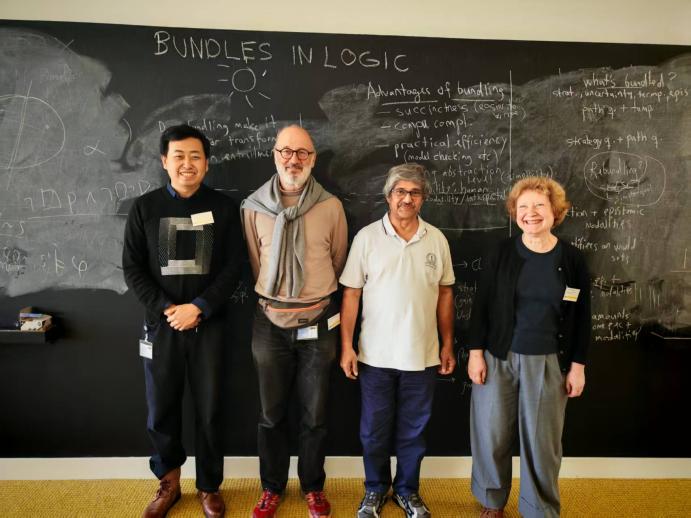
From March 23 to 27, 2026, the international workshop “Bundles in Logic” was held at the Lorentz Center of Leiden University in the Netherlands (https://www.lorentzcenter.nl/bundles-in-logic.html). The event was led by the Department of Philosophy of Peking University and the Center for Logic, Language and Cognition at Peking University. Convened by Professor Yanjing Wang, vice dean of the PKU Department of Philosophy and director of the Center for Logic, Language and Cognition at Peking University, together with Professor Natasha Alechina (the Netherlands), Professor Hans van Ditmarsch (France), and Professor R. Ramanujam (India), the workshop attracted more than 50 participants from nearly 20 countries.
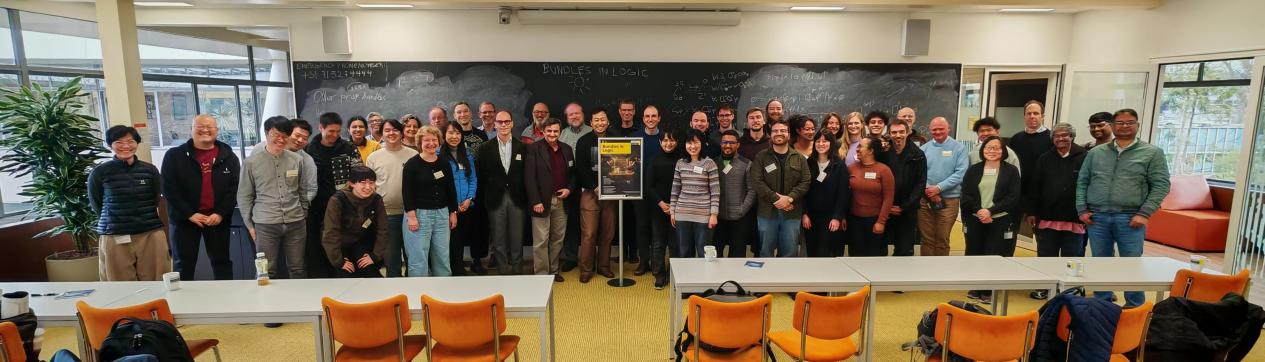
This conference is an important initiative by the Department of Philosophy of Peking University in support of the University’s internationalization strategy and in promoting the development of the “Logic and Cognition” research area. The Lorentz Center is a world-renowned institution for academic conferences, known for promoting frontier interdisciplinary research and high-quality academic discussions.
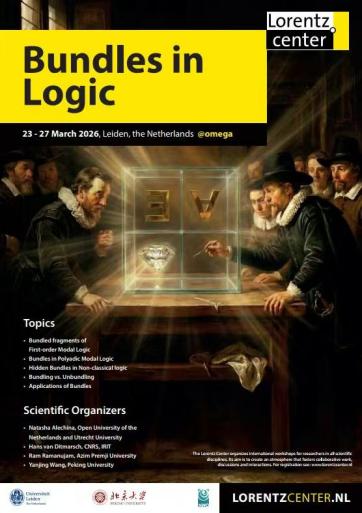
“Bundles in Logic” focuses on the research approach of “bundled modalities,” a line of inquiry proposed and developed in recent years by the logic group at PKU. In logic, quantifiers are essential tools for formalizing mathematical theories, while modal operators are key instruments for representing philosophical notions such as knowledge, time, and obligation. In a narrow sense, “bundled modalities” combine quantifiers and modal operators into structured composite operators, thereby providing a new formal framework for complex theoretical inquiries with both mathematical and philosophical significance. This approach emerged from Prof. Yanjing Wang and his group’s sustained research in epistemic logic, first-order modal logic, and intuitionistic logic. It has already produced important results concerning axiomatization, decidability, and expressiveness, opening new paths for overcoming several foundational difficulties in traditional quantified modal logic.
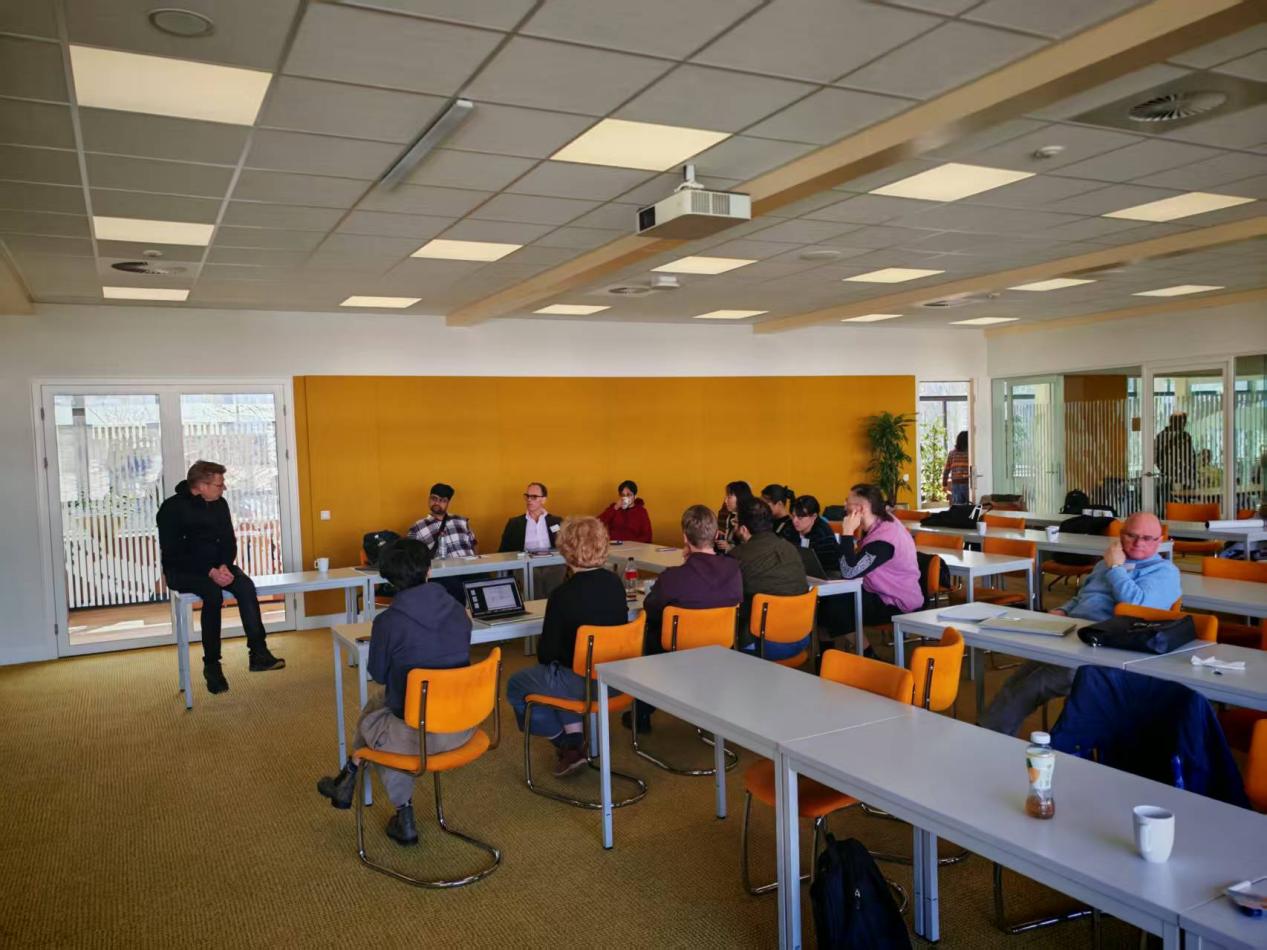
The workshop agenda was highly intense, discussion-oriented and collaboration-driven. Over the five days, the agenda included 17 themed discussions, 5 tutorial lectures, and 17 regular long and short presentations, centering on themes such as “basic concepts and representative cases of the bundle approach,” “axiomatization, model theory, and decidability of bundled fragments of first-order modal logic,” “a unified theory of bundled modalities in propositional modal logic,” and “bundled modalities in non-classical logics”. Participants identified a series of new applications of bundle operators, uncovered connections among existing lines of work, and initiated multiple collaborative research projects. A special session was devoted to applications of bundled modalities in philosophy, theoretical computer science, and artificial intelligence, highlighting the interdisciplinary potentials of this research direction. The workshop will produce a written report and bibliography, and a special journal issue is also in plan.
In addition, the workshop values efforts in building the academic community and inspiring junior researchers. Much attention was given to regional and gender balance among participants, and the proportions of junior, mid-career, and senior researchers were close to 1:1:1. This demonstrated our strong commitment to academic succession, the growth of young researchers, and regional academic cooperation. The diverse participation structure not only enhanced the depth of discussions, but also ensured the openness and vitality necessary for the long-term development of this field.

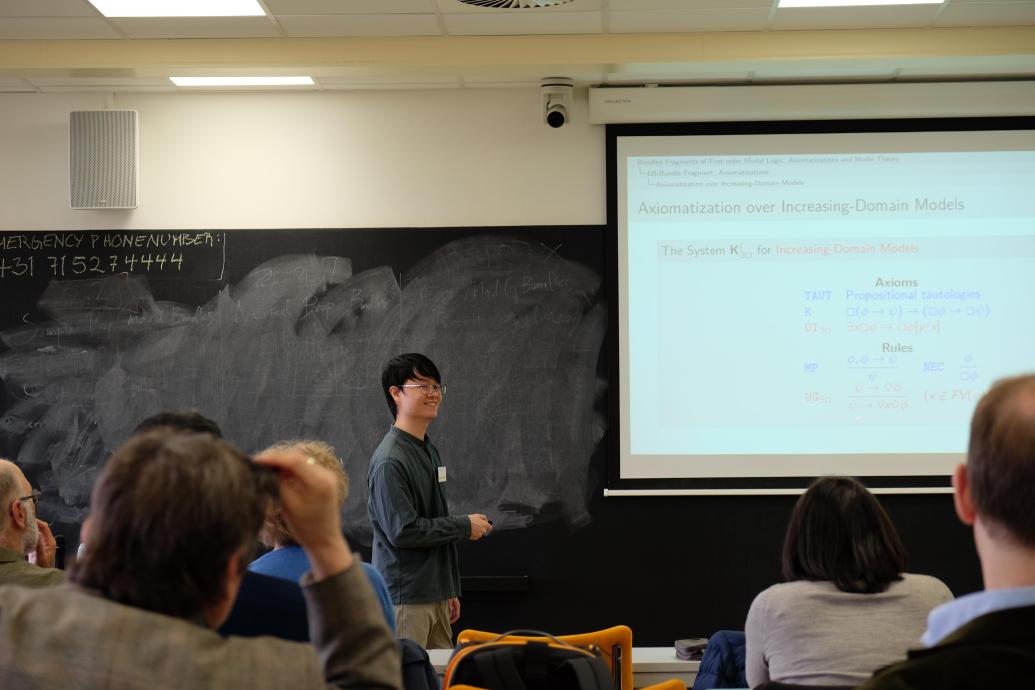
The “Bundles in Logic” workshop marks the emergence of “bundled modalities” from a set of scattered research outputs into a new research paradigm with clear motivating questions, unified methodology, and a foundation for international collaboration. It also injects new momentum into Peking University’s continued participation and leadership in international frontier research of logic. The workshop was supported by the Peking University Yu Yue Humanities Development Fund (Philosophy).
To read the Chinese version, please click here.