


“Aesthetics of Our Times” Academic Symposium Marking the 105th Anniversary of Aesthetics at Peking University Held on Campus
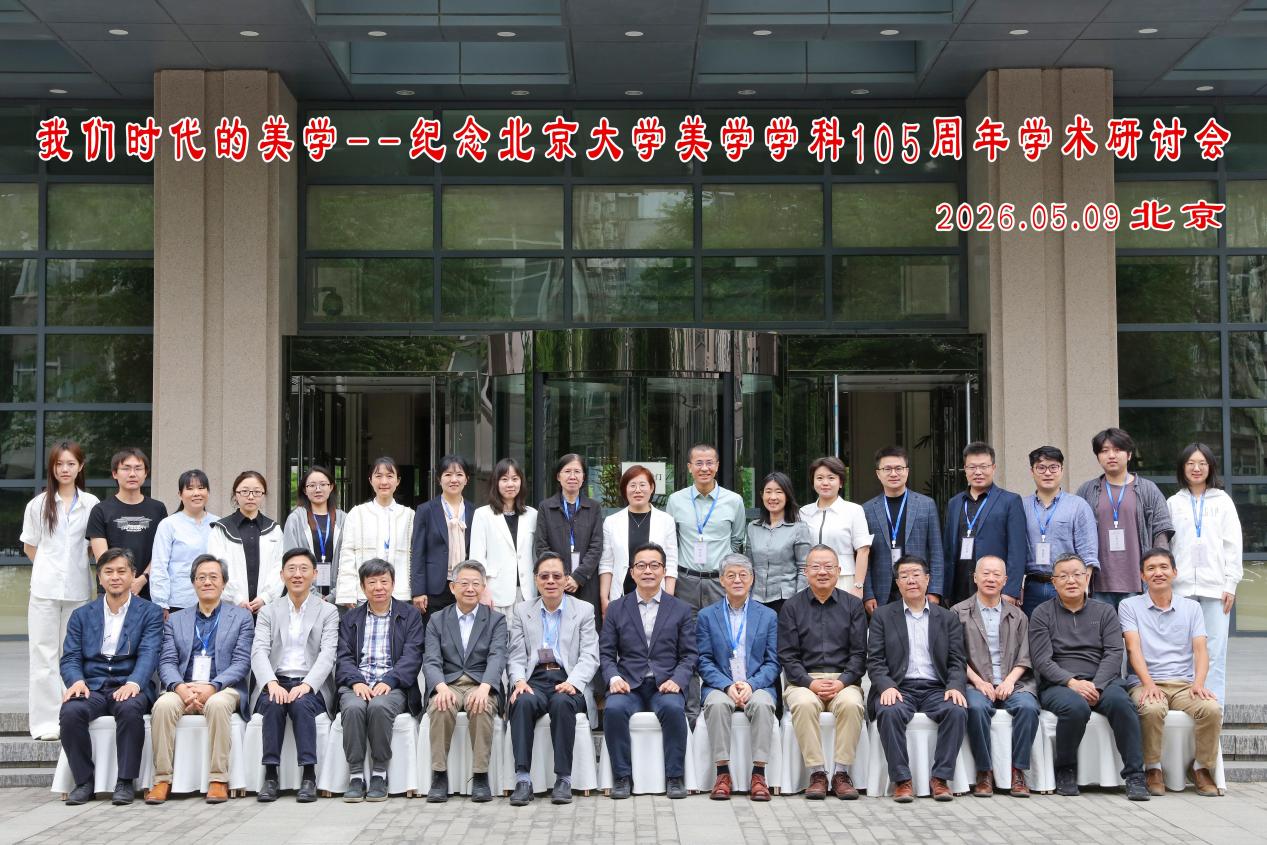
From May 9 to 10, 2026, the academic symposium “Aesthetics of Our Times,” marking the 105th anniversary of the establishment of aesthetics as a discipline at Peking University, was held on the Peking University campus. The symposium was jointly organized by Peking University’s Department of Philosophy, Social Sciences Division, Office of the Provost, School of Arts, and Center for Aesthetics and Aesthetic Education. More than 50 experts and scholars from academic institutions across China attended the event.
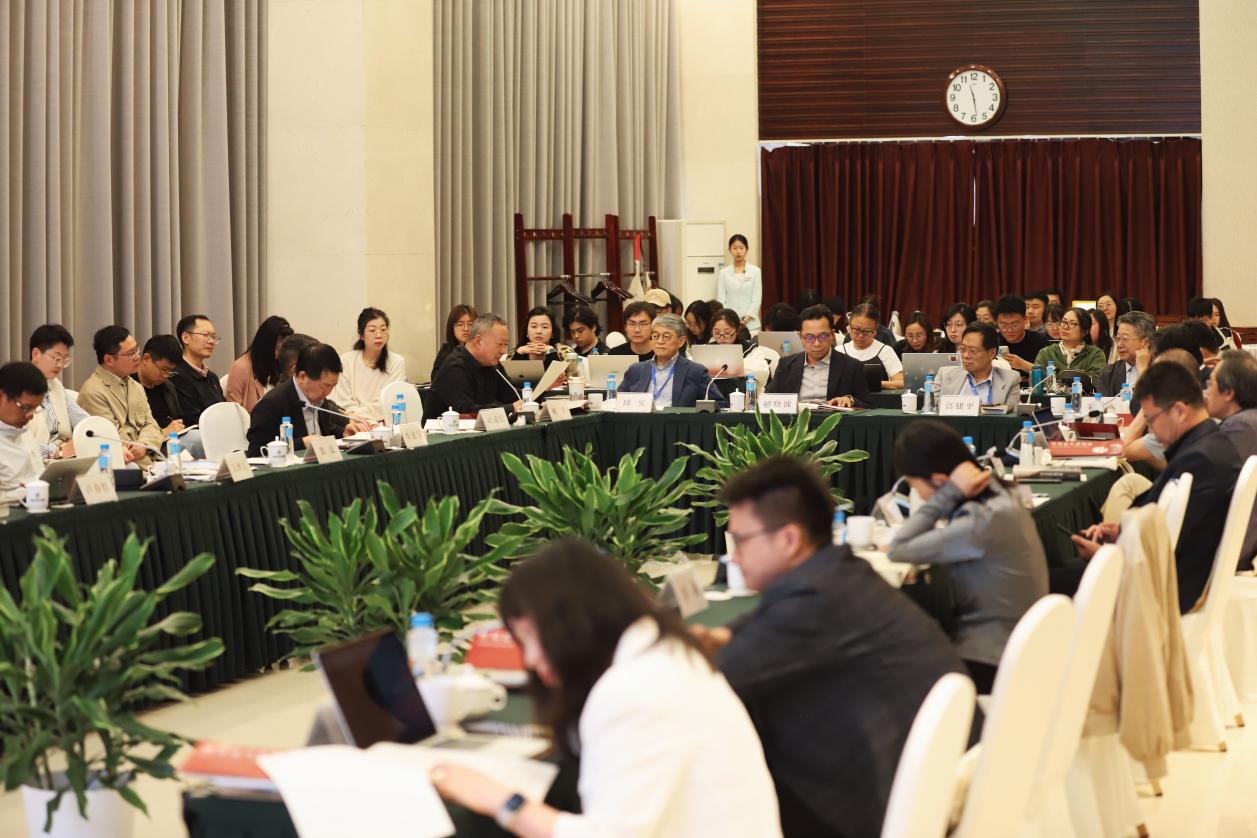
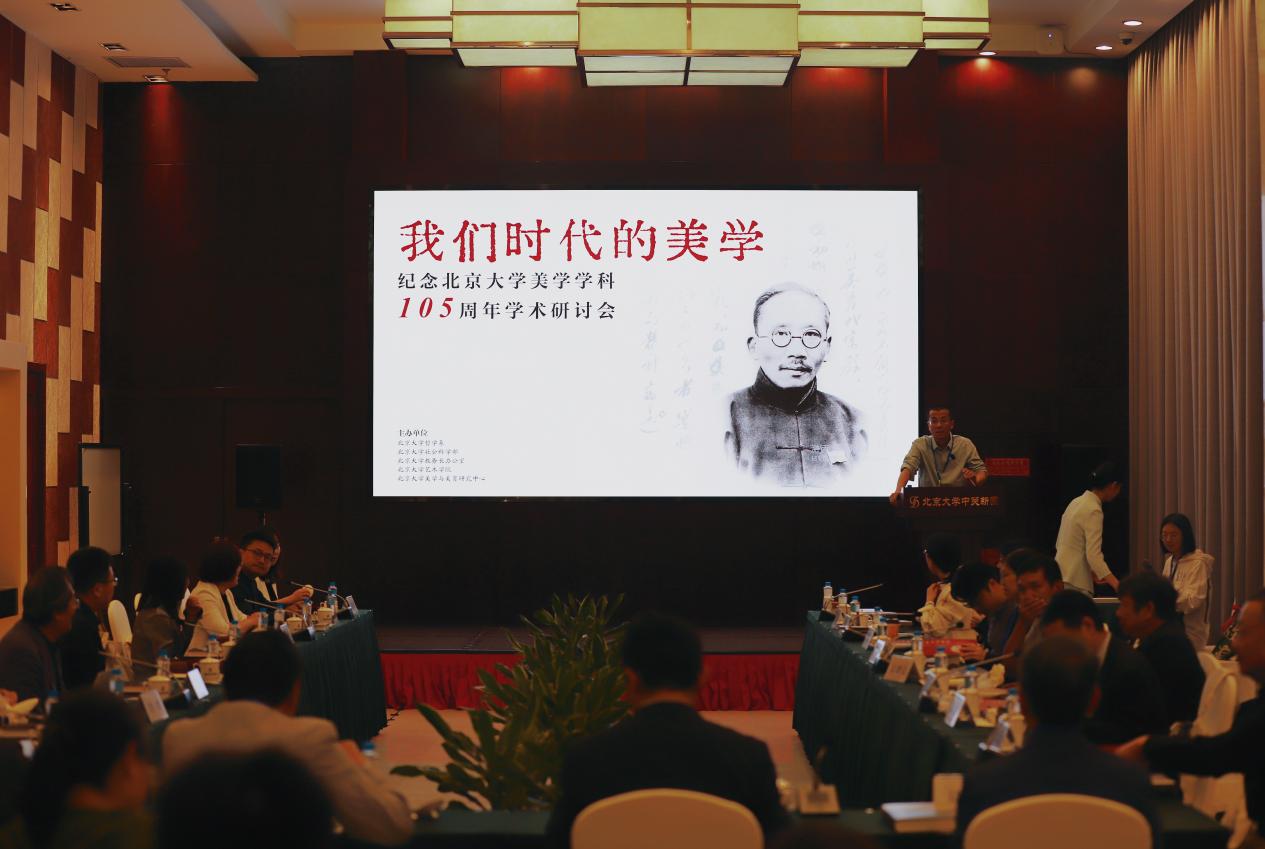
Conference in Session
The opening ceremony was chaired by Cheng Lesong, Chair of the Department of Philosophy and Religious Studies and Director of the Center for Aesthetics and Aesthetic Education at Peking University.
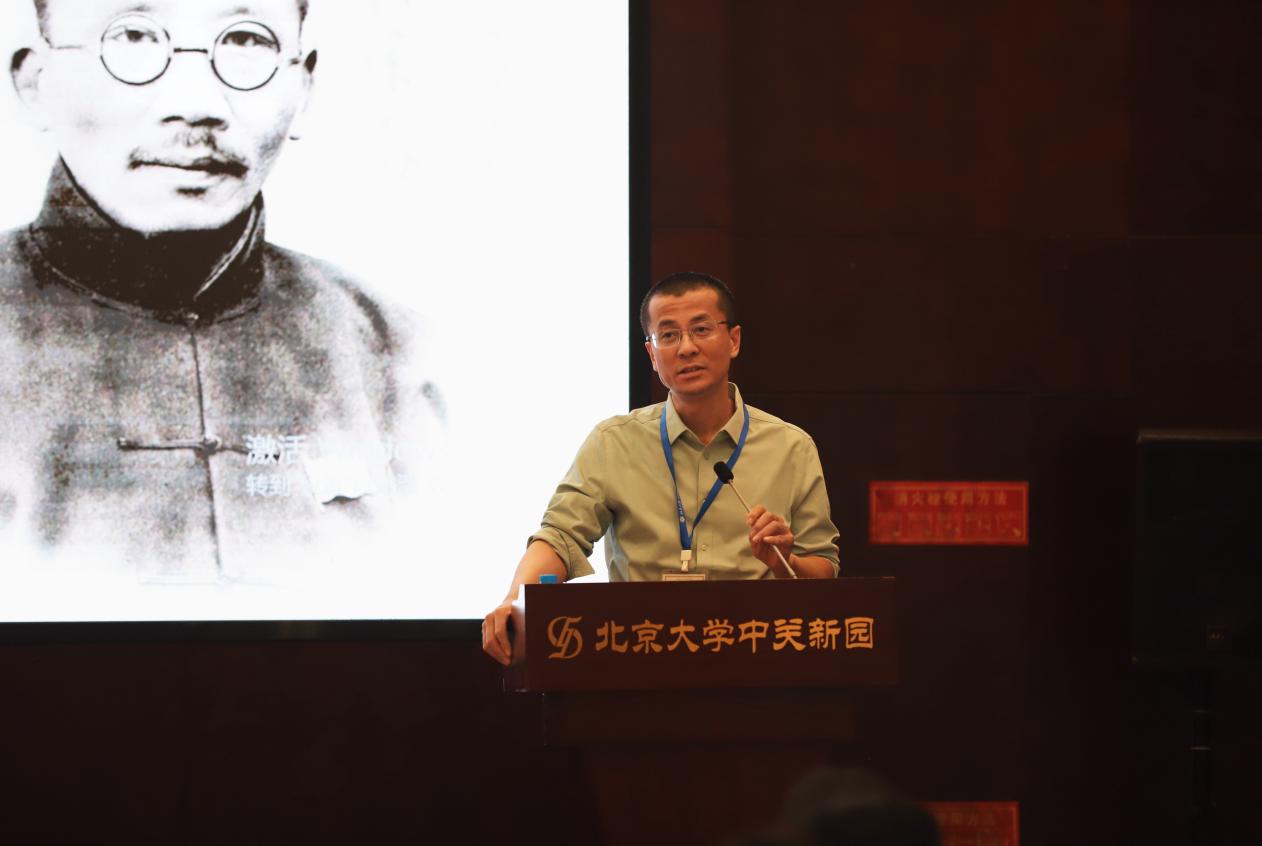
Cheng Lesong Moderating the Conference
Chu Xiaobo, Vice President of Peking University, and Gao Jianping, President of the Chinese Society for Aesthetics and Research Fellow at the Institute of Literature of the Chinese Academy of Social Sciences, delivered remarks. Song Xin, Deputy Director of Peking University’s Office of the Provost, gave a report on the university’s work in aesthetic education.
Chu Xiaobo reviewed the century-long development of aesthetics at Peking University and elaborated on the significance of aesthetic education in the new era. He noted that the symposium would bring together academic wisdom, plan for the future development of the discipline, explore a new system of aesthetic education, and contribute to the construction of a Chinese discourse system for aesthetics.
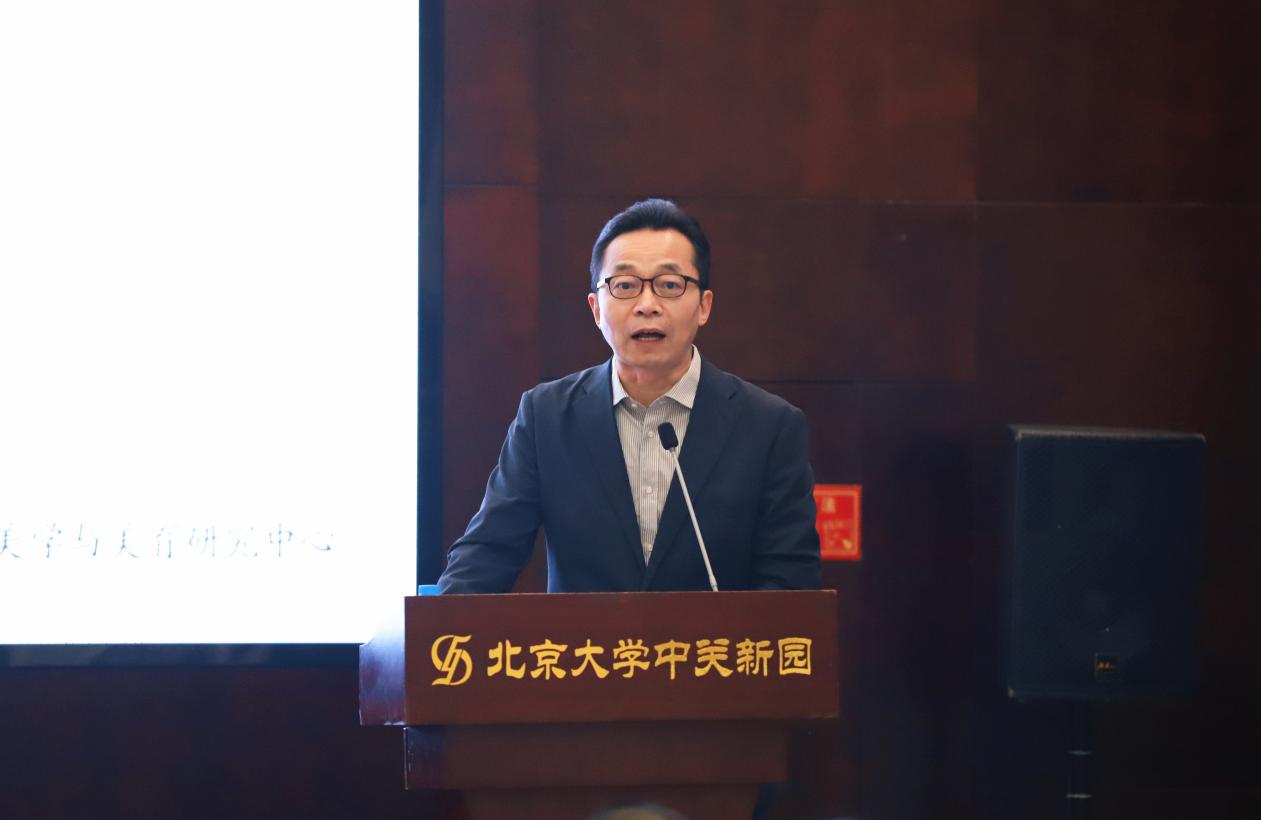
Chu Xiaobo Delivering a Speech
Gao Jianping spoke highly of Peking University’s leading and exemplary role in the development of aesthetics and aesthetic education in China. He traced the century-long development of aesthetics as a discipline in China and recalled the academic contributions of Peking University scholars such as Zhu Guangqian and Zong Baihua. He emphasized that national development in the new era calls for the empowerment of aesthetics, and expressed his hope that Peking University would continue to lead the field and inject new vitality into the development of contemporary aesthetics.
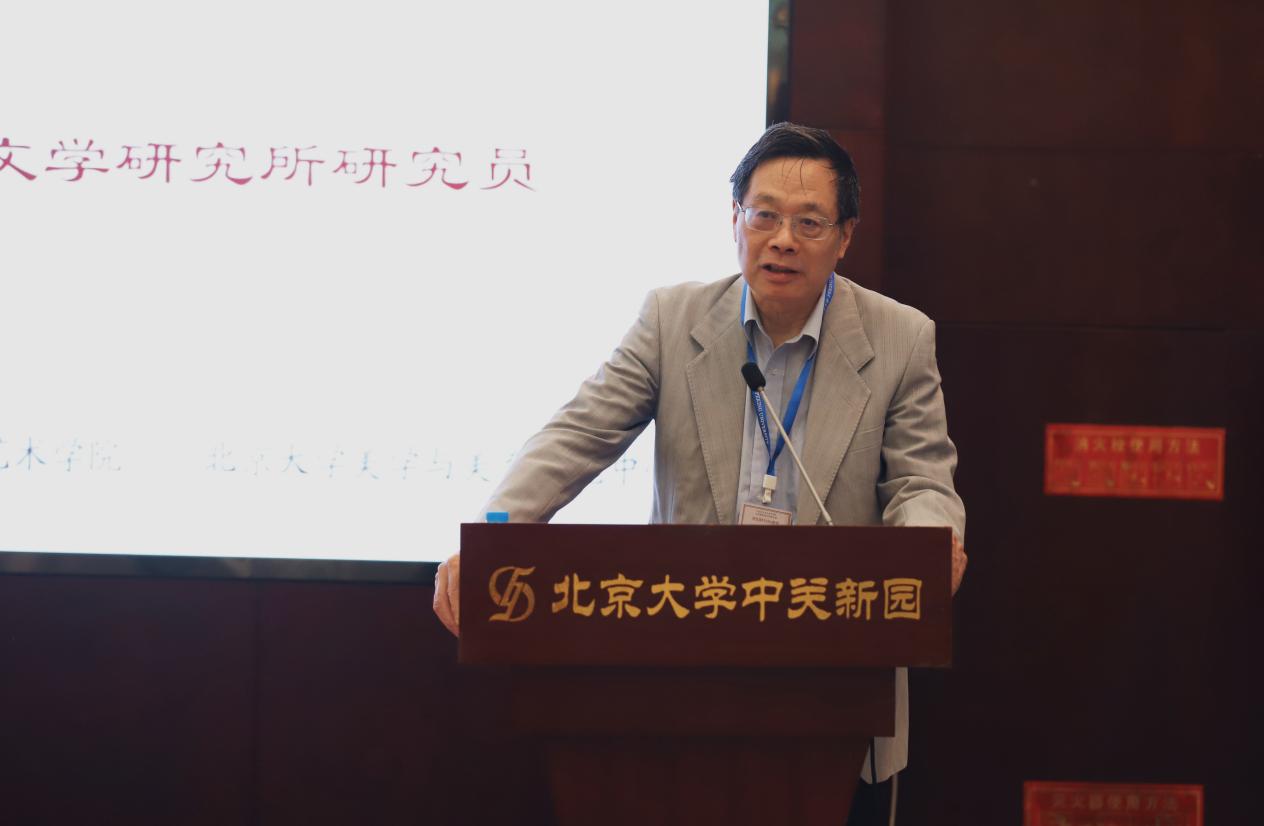
Gao Jianping Delivering a Speech
A documentary titled Cai Yuanpei was screened during the opening ceremony. Song Xin then took the century-old tradition of aesthetic education at Peking University, established by President Cai Yuanpei, as his starting point and systematically reviewed both the inheritance and contemporary innovation of this tradition in four areas: institutional support, curriculum development, signature practices, and research dissemination.
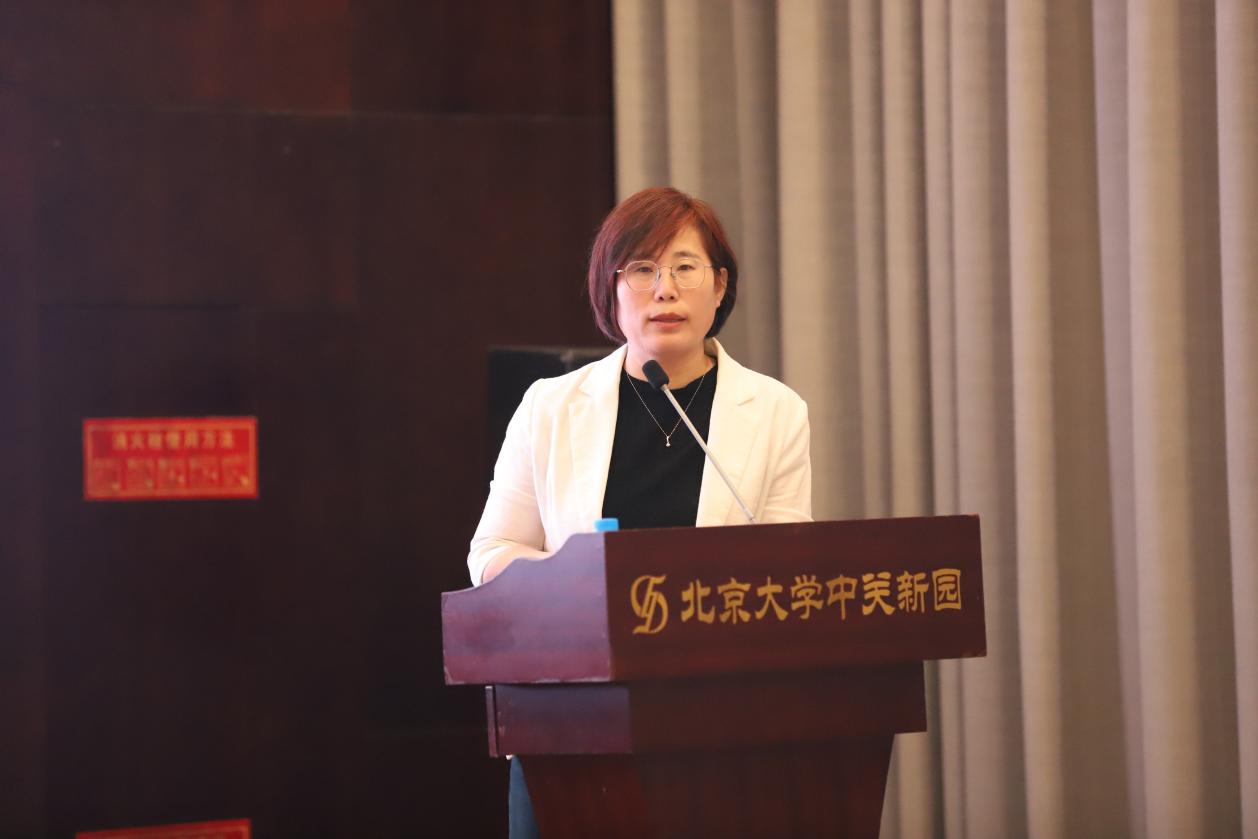
Song Xin Speaking at the Conference
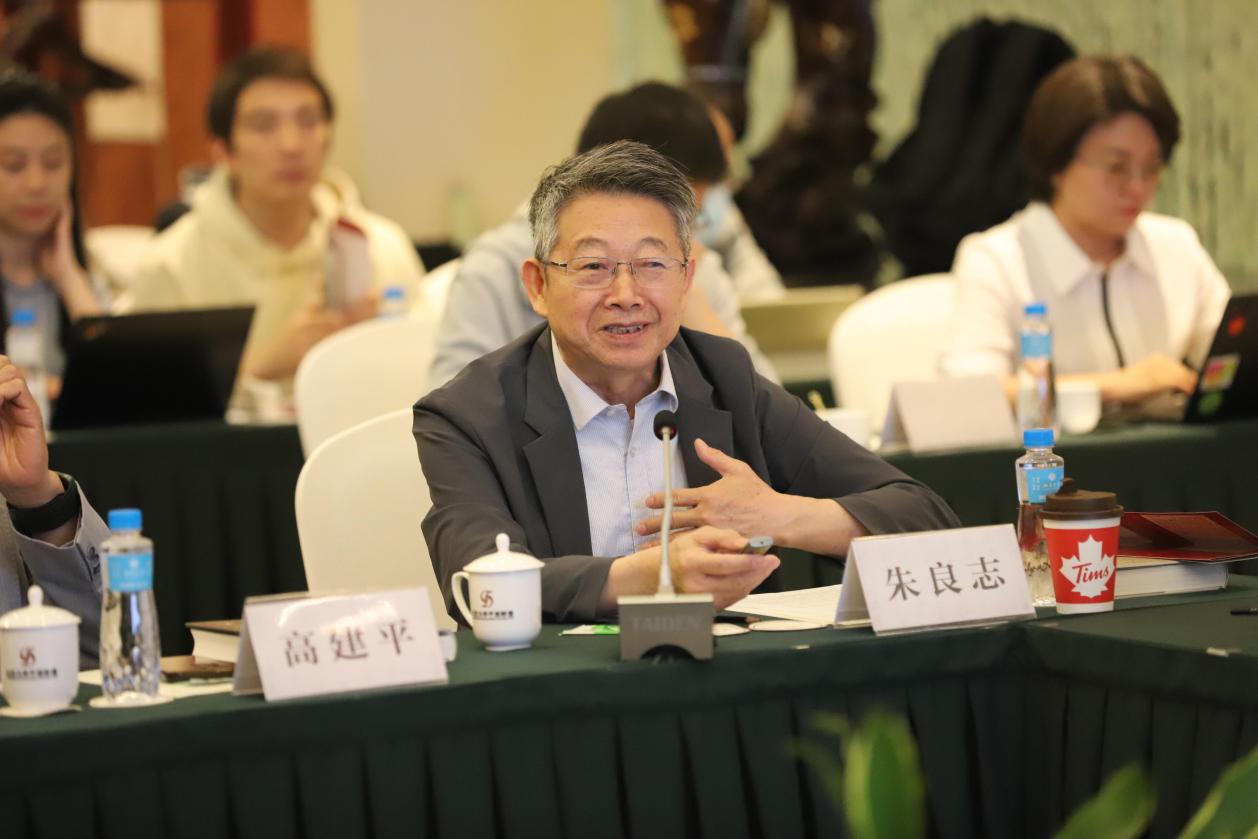
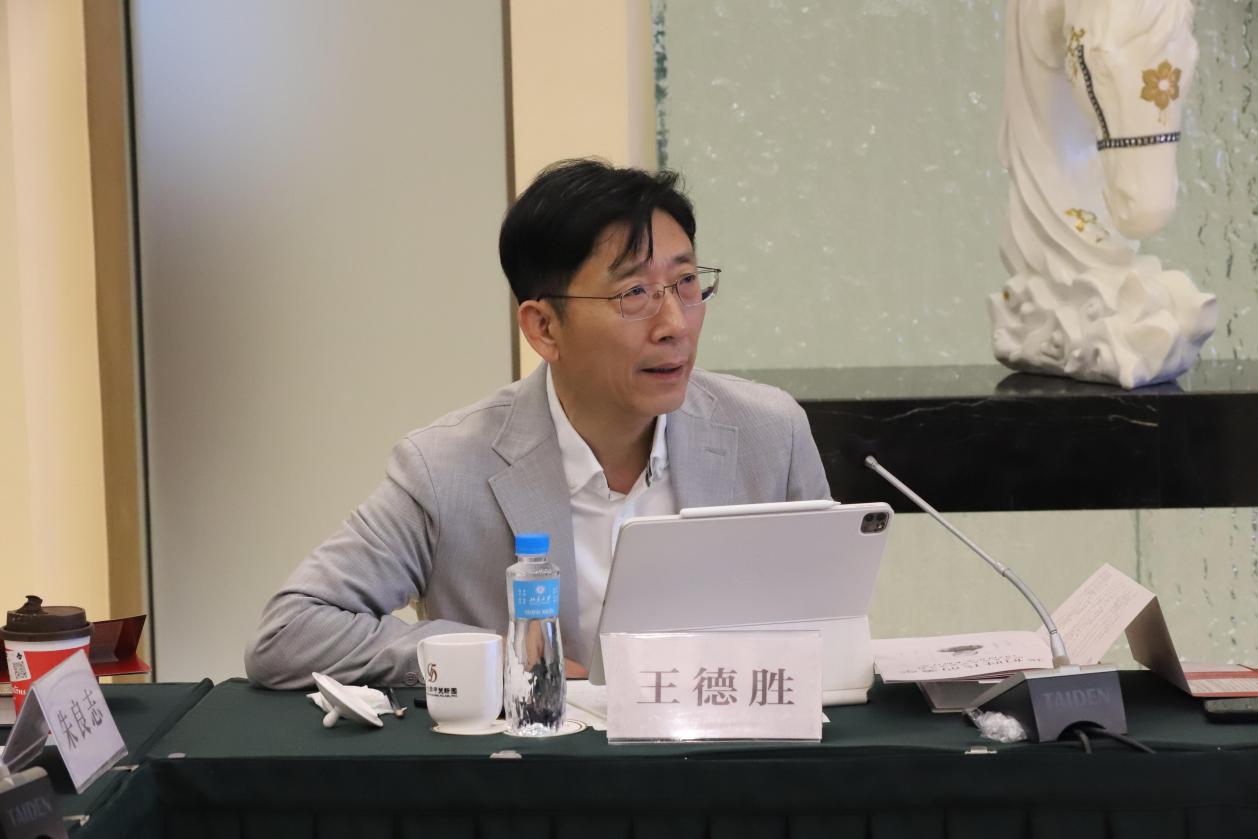
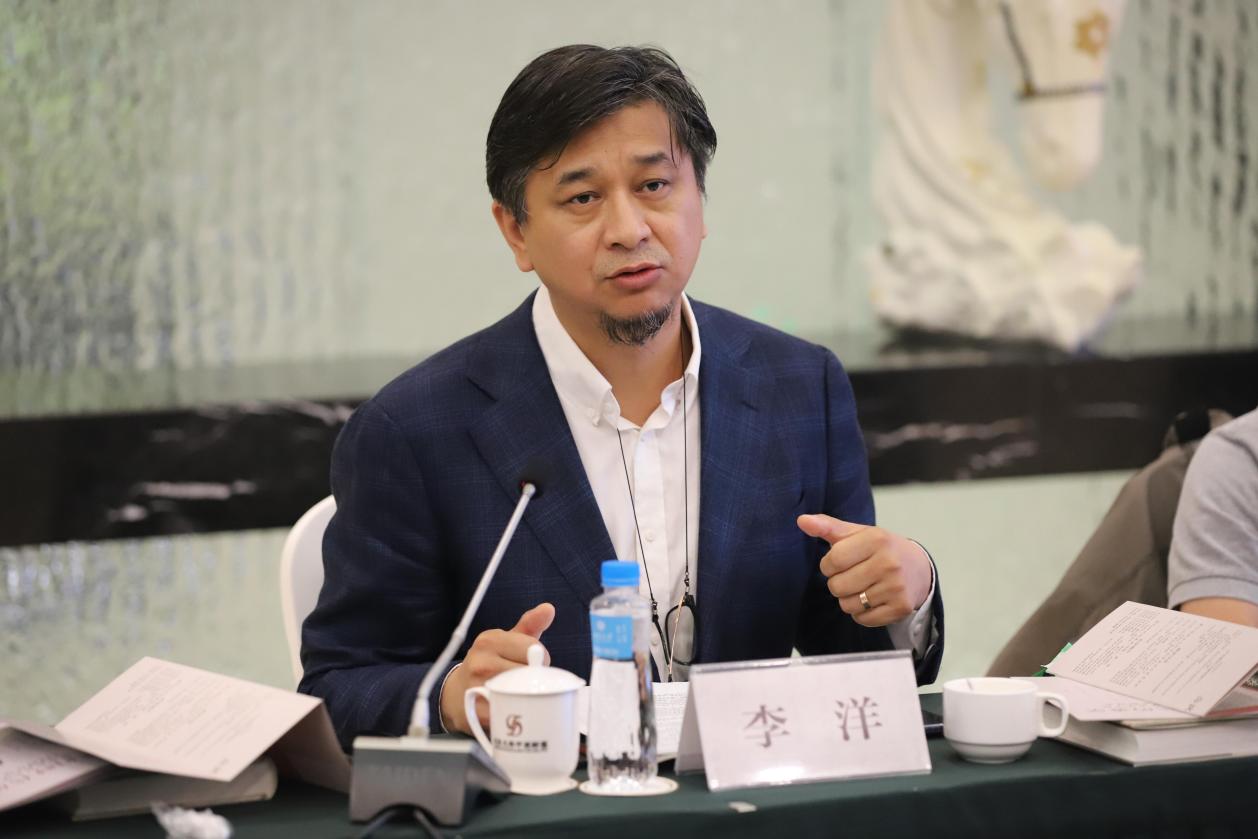
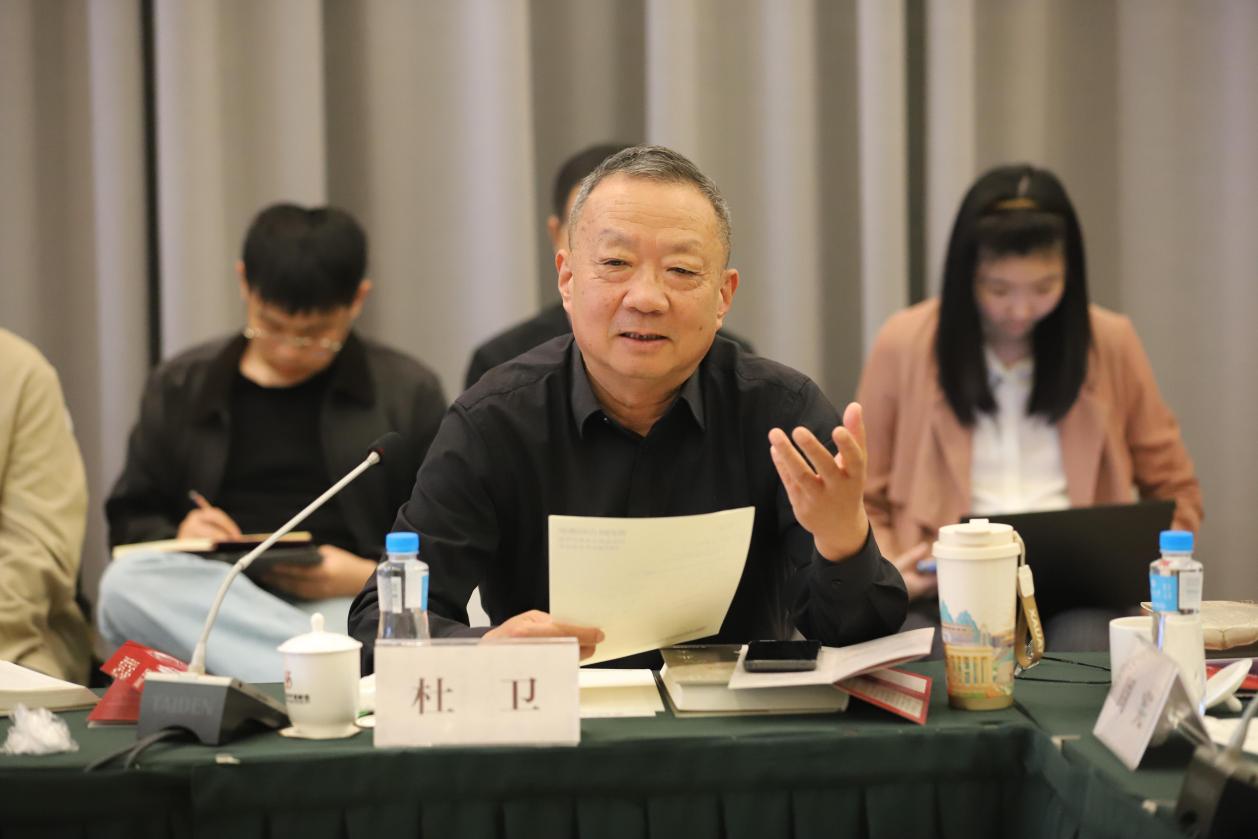
Following the opening ceremony, a roundtable discussion titled “President Cai Yuanpei and the Tradition of Aesthetics and Aesthetic Education at Peking University” was held. The discussion was chaired by Cheng Lesong, with Du Wei, Professor at Hangzhou Normal University, serving as discussant. Zhu Liangzhi, Professor in the Department of Philosophy at Peking University; Wang Desheng, Professor in the School of Liberal Arts at Capital Normal University; and Li Yang, Dean of the School of Arts at Peking University, delivered remarks in succession.
Drawing on the tradition of “simplicity” in the Zhouyi (Book of Changes), Zhu Liangzhi interpreted Cai Yuanpei’s thought on aesthetic education from the perspectives of primordiality, secularity, and sensus communis. Wang Desheng pointed out two major traditions of aesthetics at Peking University: the pursuit of integration between Chinese and Western thought in the spirit of “harmony without uniformity,” and the advocacy of a realm of life imbued with vital sentiment. Li Yang examined Cai Yuanpei’s experience of studying in Germany and the intellectual context of German academia at the time, offering an in-depth account of the formation of Cai’s thought on aesthetic education. The three scholars’ remarks resonated with one another, jointly demonstrating the historical depth and contemporary value of Cai Yuanpei’s thought on aesthetic education.
On the afternoon of May 9, the symposium featured presentations on “Aesthetic Issues of Our Times,” divided into two sessions. The first session was chaired by Zhu Liangzhi, Professor in the Department of Philosophy at Peking University, with Liu Chengji, Professor in the School of Philosophy at Beijing Normal University, serving as discussant. Zhao Tingyang, Research Fellow at the Institute of Philosophy of the Chinese Academy of Social Sciences; Zhou Xian, Professor at the School of Arts of Nanjing University; Zhang Fa, Professor in the School of Liberal Arts at Sichuan University; Gao Jianping, Research Fellow at the Institute of Literature of the Chinese Academy of Social Sciences; and Niu Hongbao, Professor in the School of Philosophy at Renmin University of China, delivered presentations in succession.
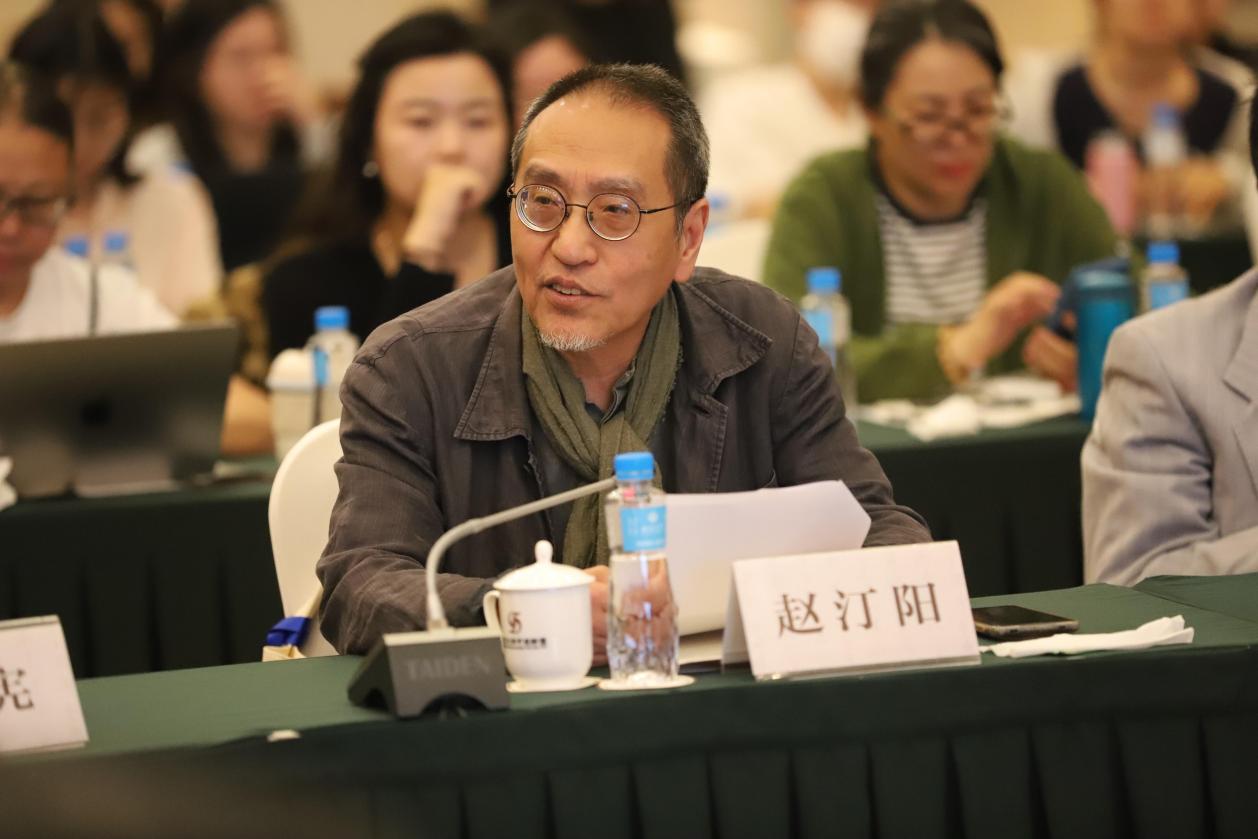
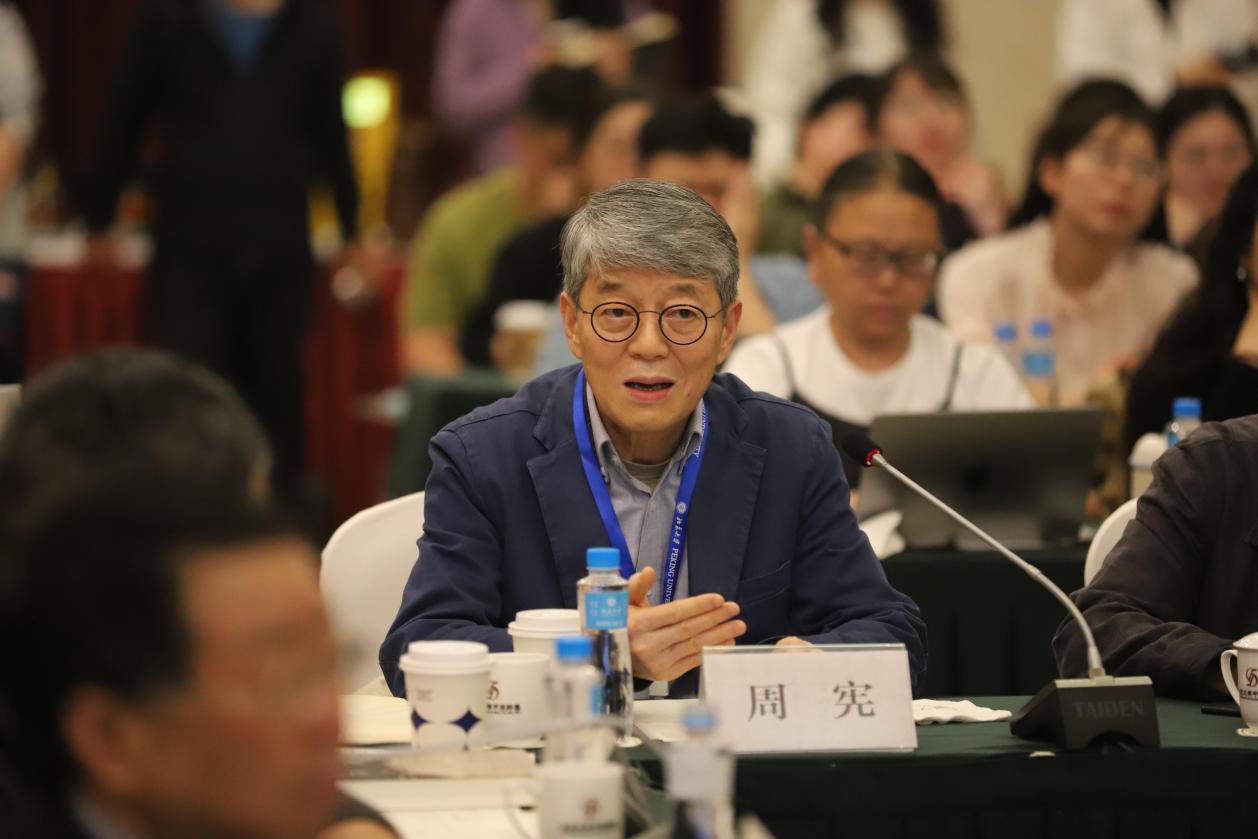
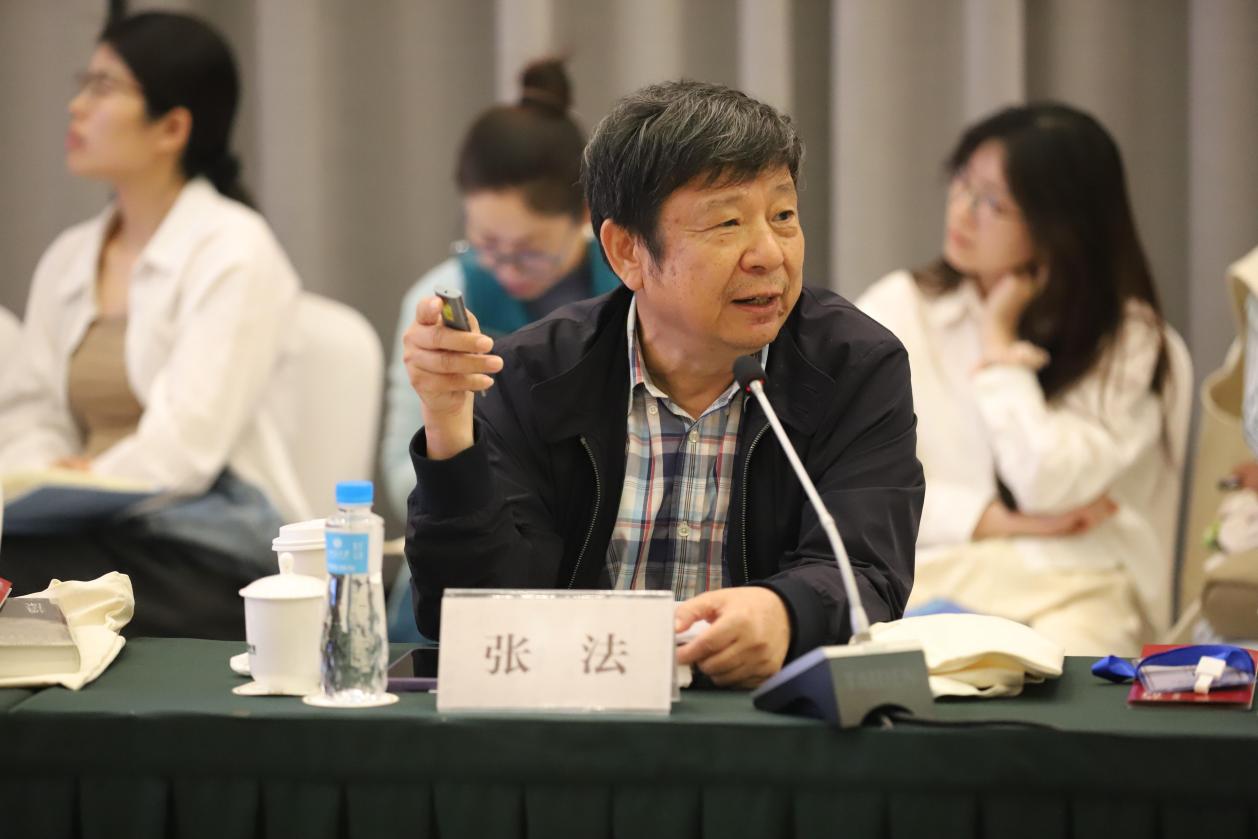
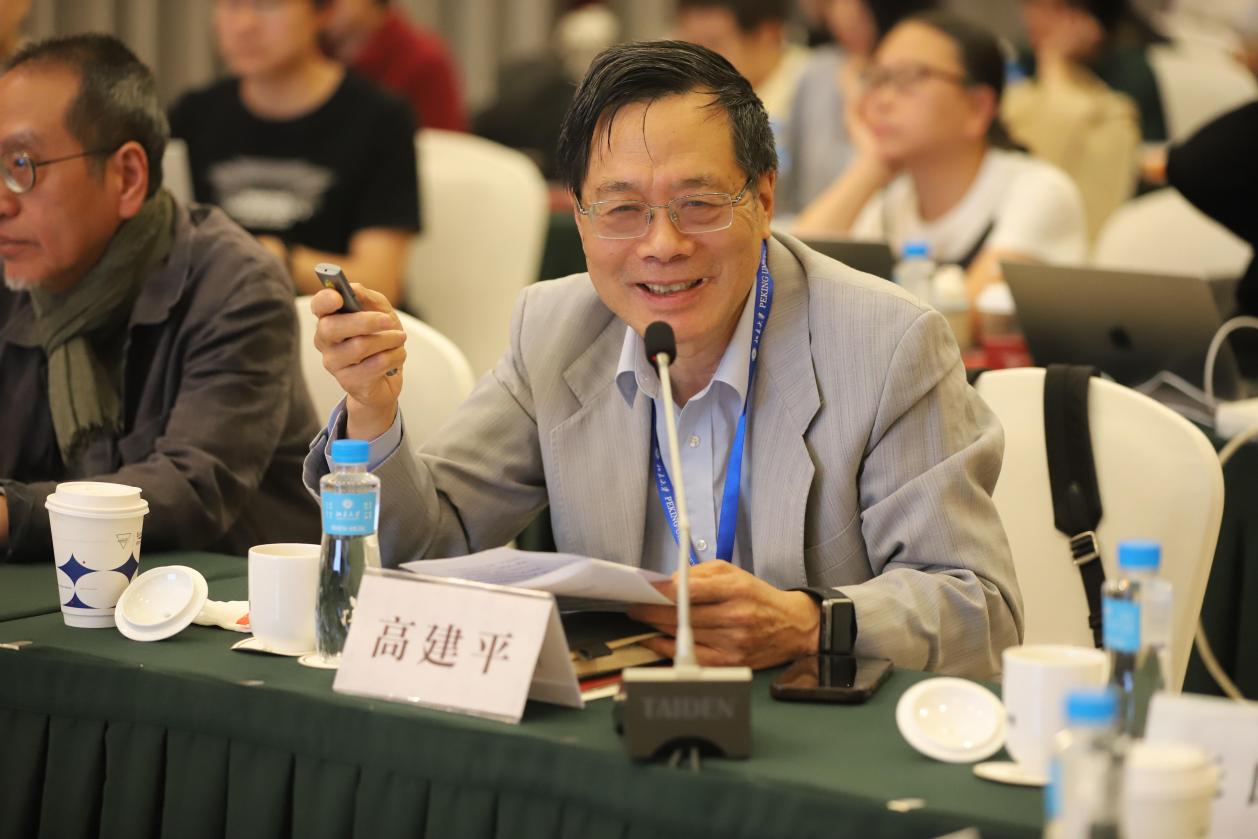
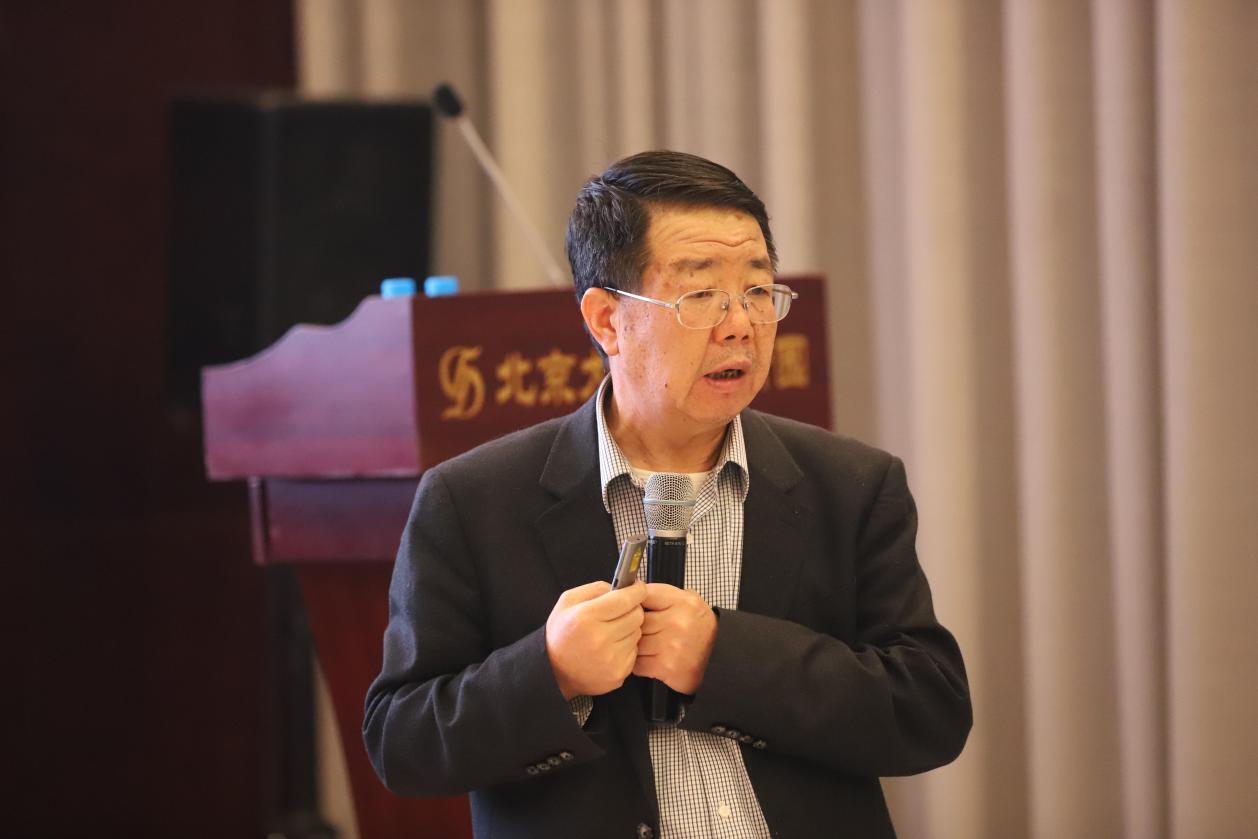
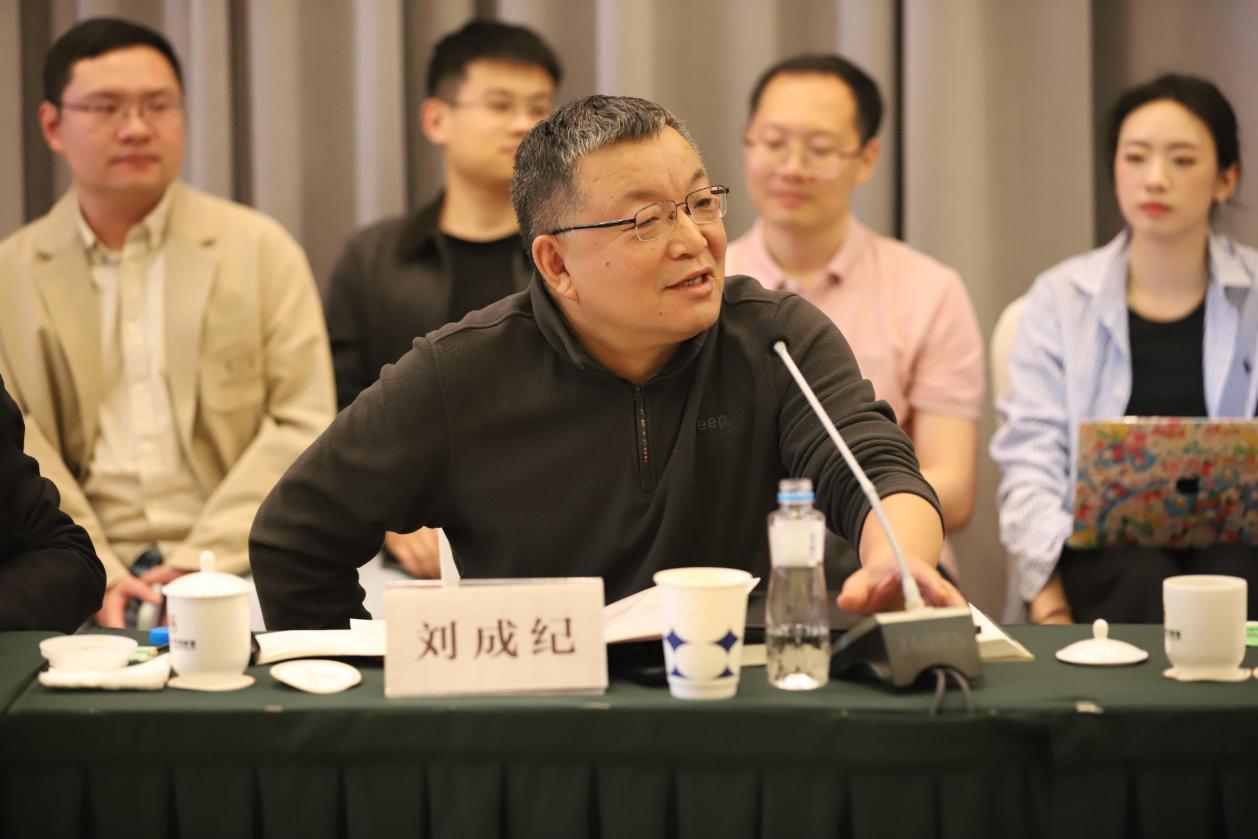
The scholars discussed a wide range of topics, including the origin of art, the boundary dilemmas of aesthetics as a science of sensibility, the relationship between art and the times, commonalities between Chinese and Western art, the disciplinary history of Chinese aesthetics, and the technological turn in contemporary aesthetics. Their discussions helped clarify the core issues and future directions of contemporary aesthetic research.
The second session was chaired by Zhang Fa, Professor in the School of Liberal Arts at Sichuan University, with Niu Hongbao, Professor in the School of Philosophy at Renmin University of China, serving as discussant. Zhou Chunjian, Professor in the Department of Philosophy at Sun Yat-sen University; Lu Chunhong, Research Fellow at the Institute of Philosophy of the Chinese Academy of Social Sciences; Li Kelin, Professor in the School of Philosophy at Renmin University of China; He Nian, Associate Professor in the School of Philosophy at Wuhan University; and Ning Xiaomeng, Tenured Associate Professor in the Department of Philosophy at Peking University, delivered presentations in succession.
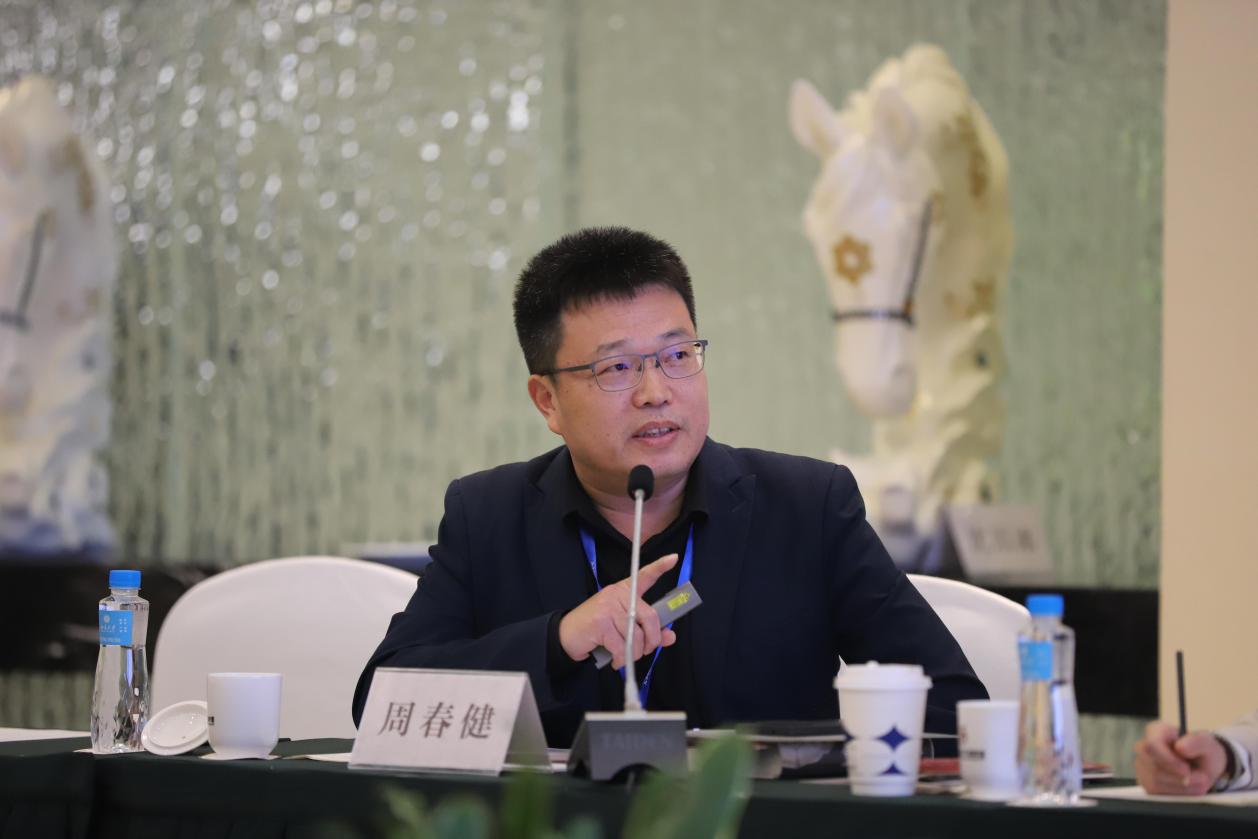
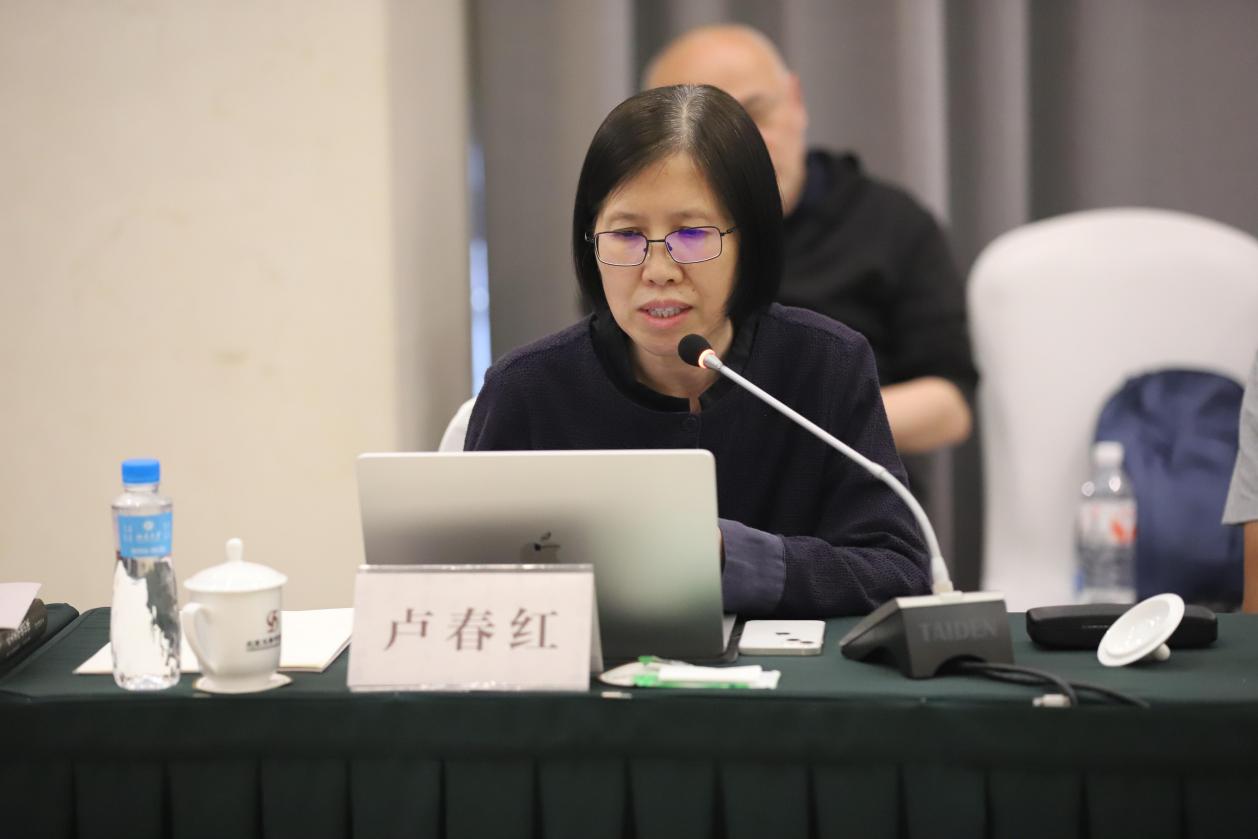
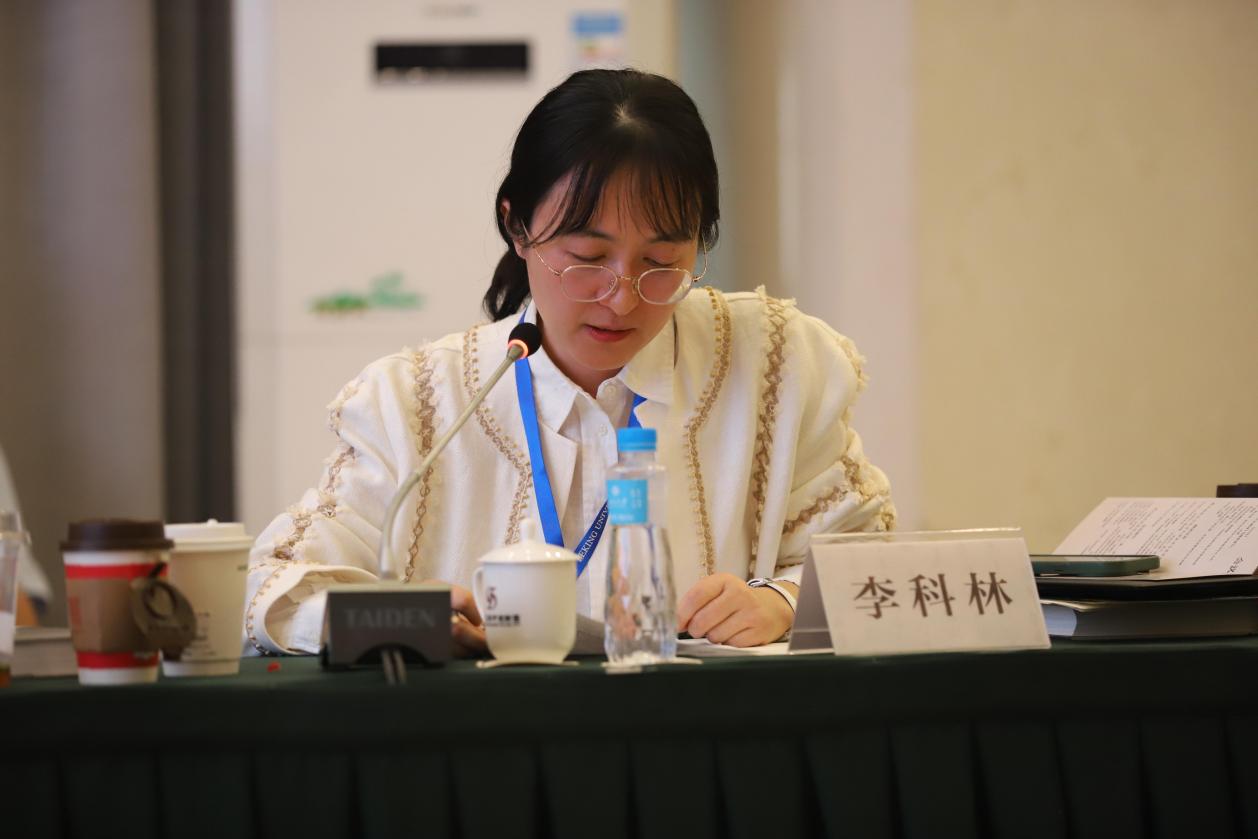
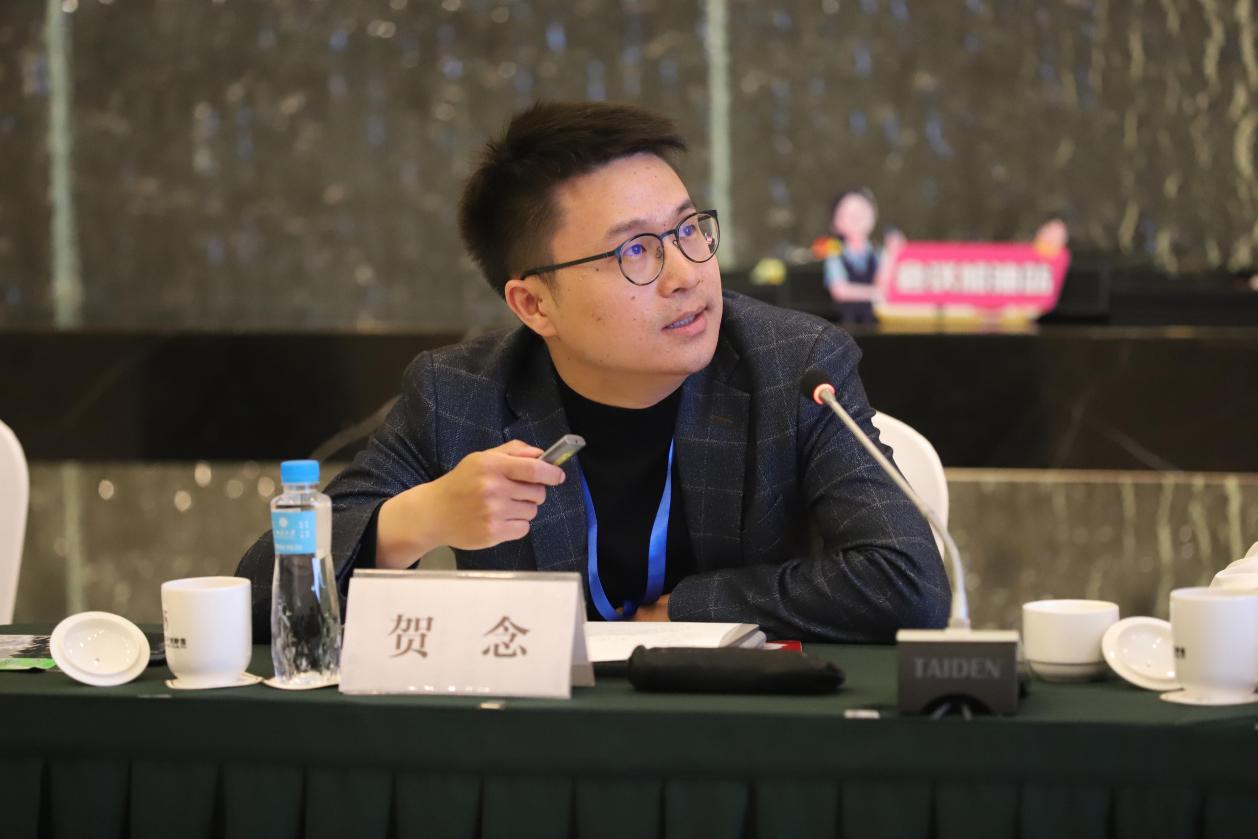
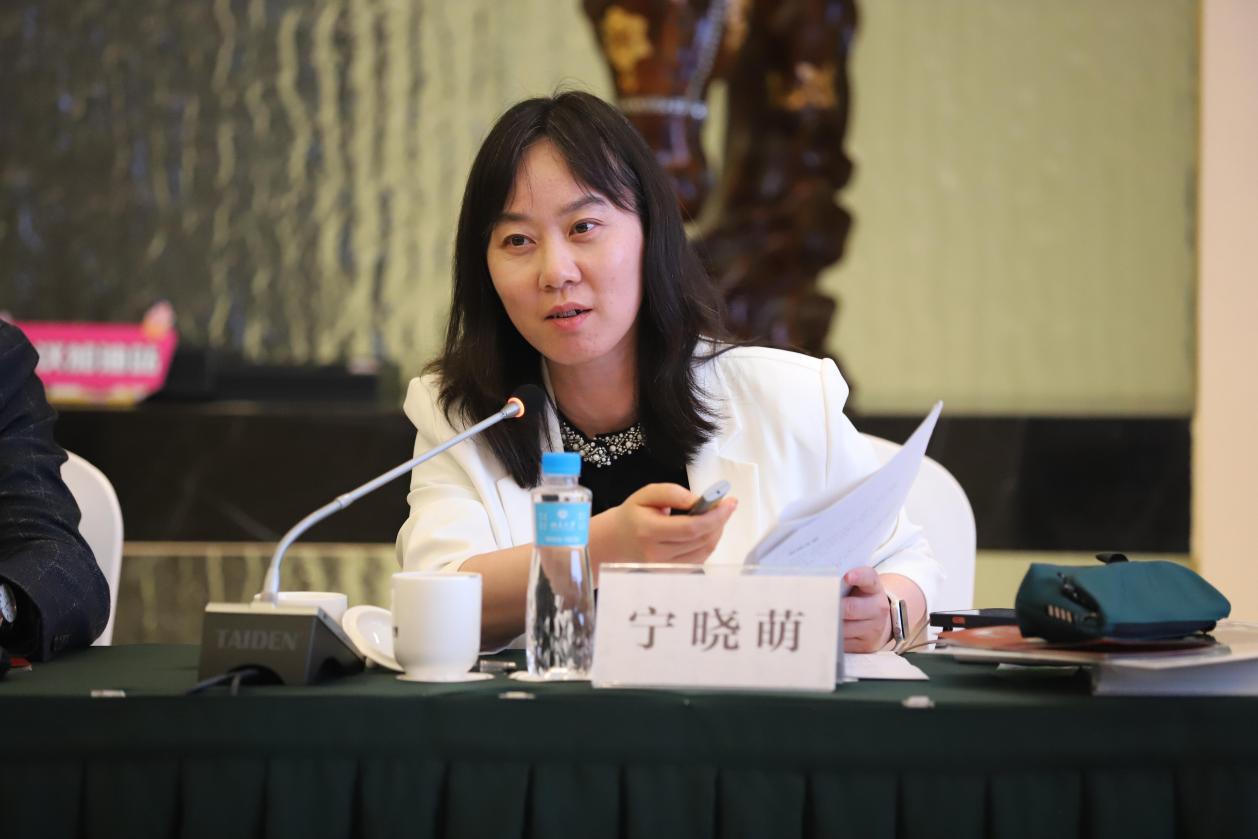
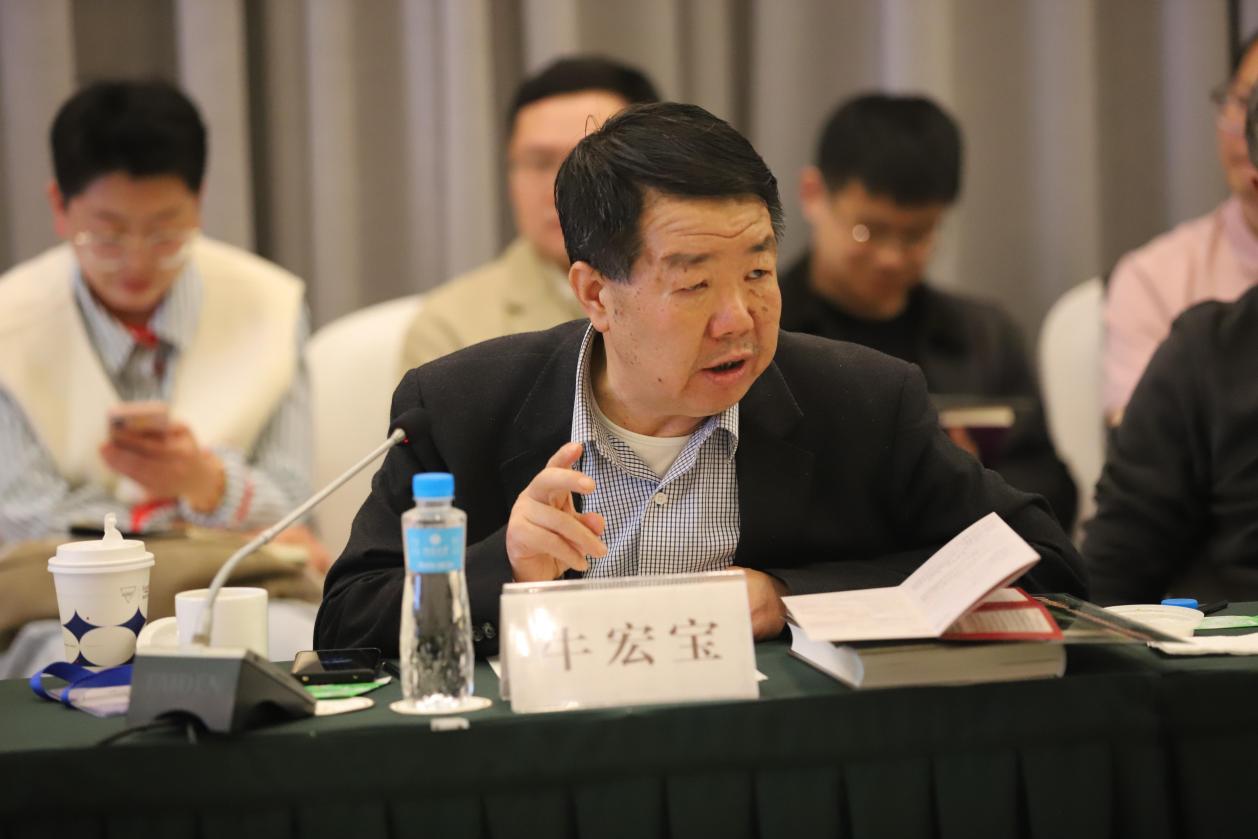
The speakers discussed aesthetic scholars such as Ma Cai and Deng Yizhe, the contemporary value of Cai Yuanpei’s thought on aesthetic education, aesthetic education from a phenomenological perspective, and new materials for research in aesthetics and art studies.
On the morning of May 10, a roundtable discussion titled “Aesthetics amid the Tension between Contemporary Technology and the Humanities” was held. The discussion was chaired by Zhou Xian, Professor at the School of Arts of Nanjing University, with Ning Xiaomeng, Tenured Associate Professor in the Department of Philosophy at Peking University, serving as discussant. Speakers included Du Wei, Professor at Hangzhou Normal University; Shen Yubing, Professor in the School of Philosophy at Fudan University; Liu Chengji, Professor in the School of Philosophy at Beijing Normal University; Chen Jianlan, Professor in the School of Liberal Arts at Renmin University of China; Xiao Ying, Professor in the School of Humanities at Tsinghua University; and Wu Zengding, Professor in the Department of Philosophy at Peking University.
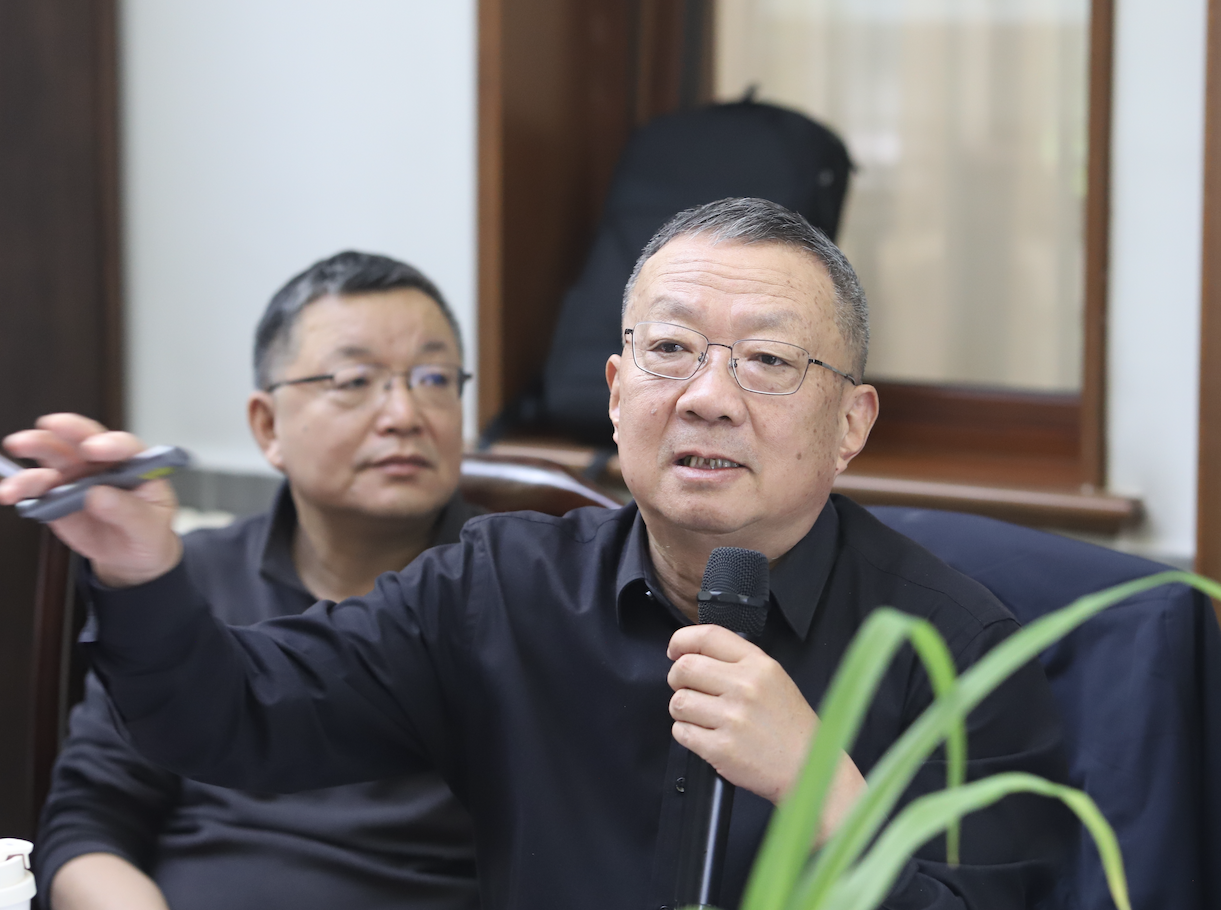
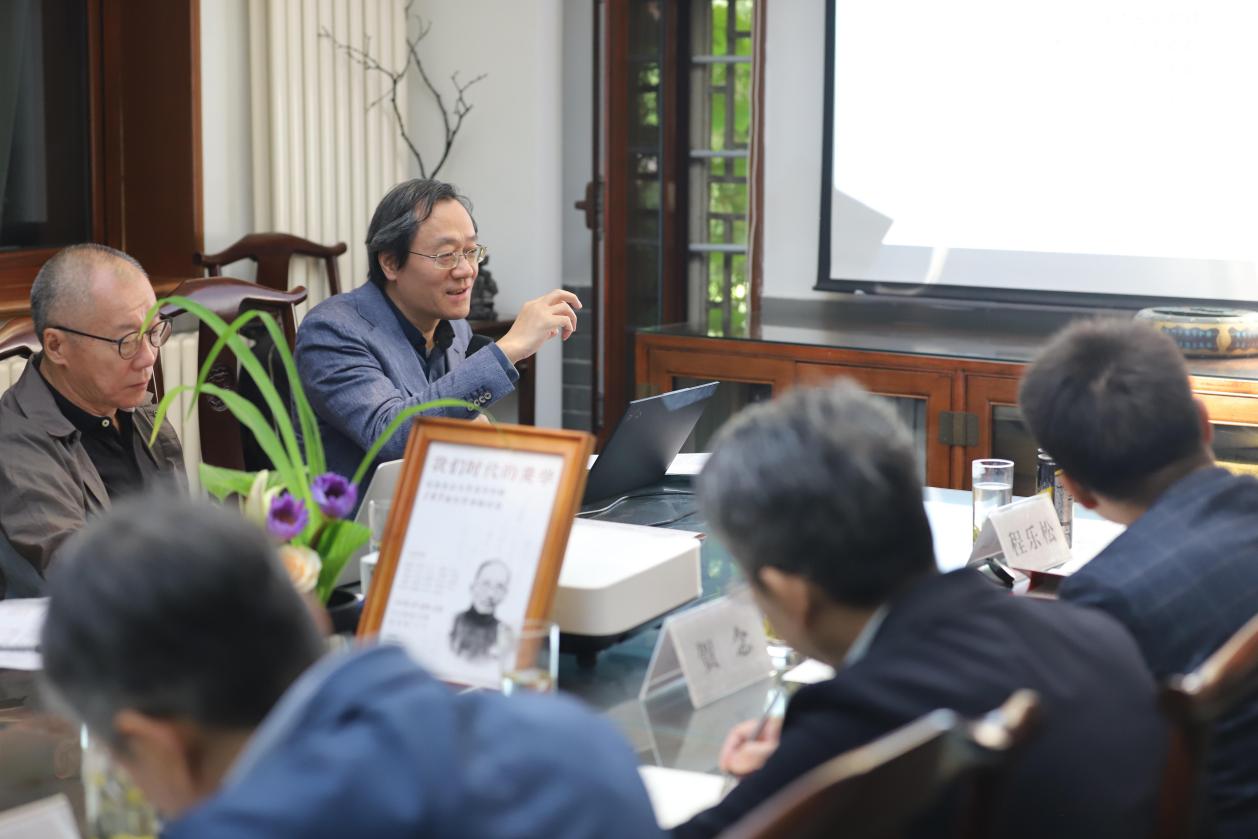
Du Wei
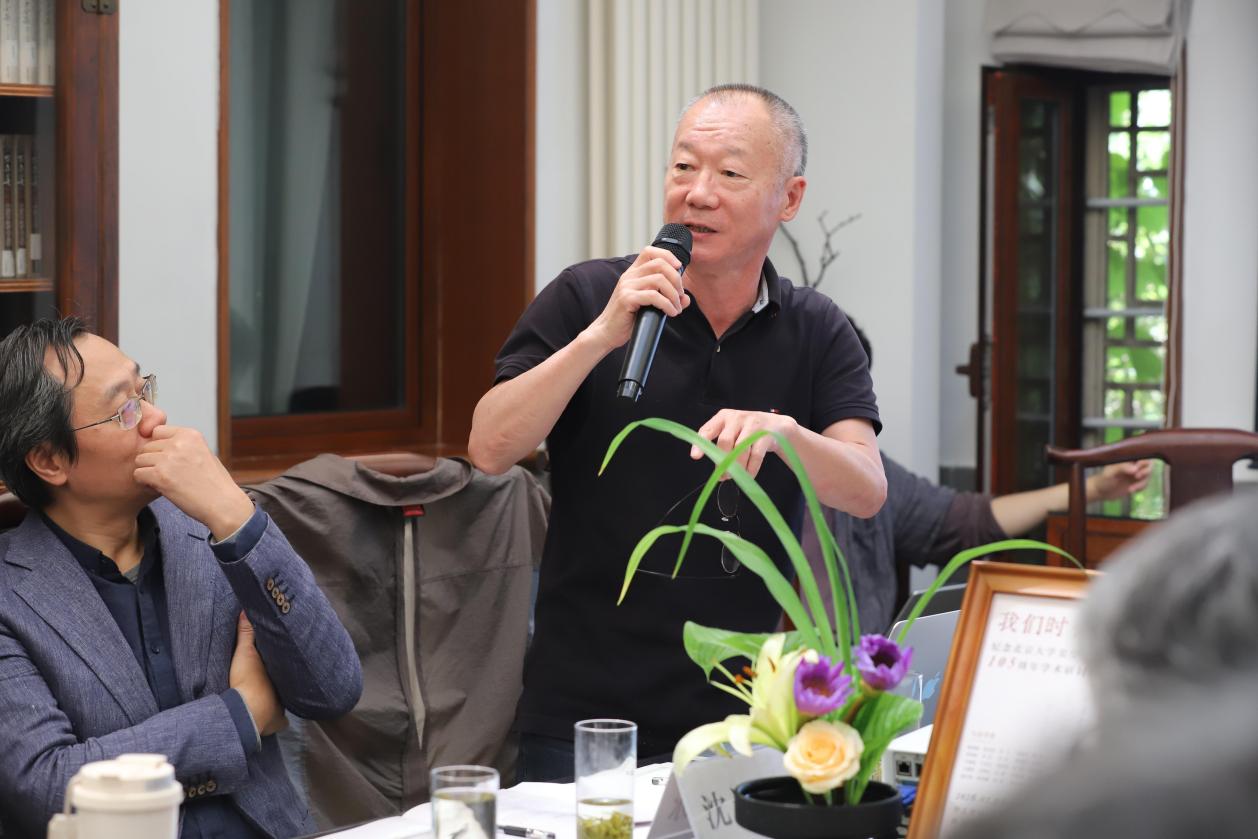
Shen Yubing
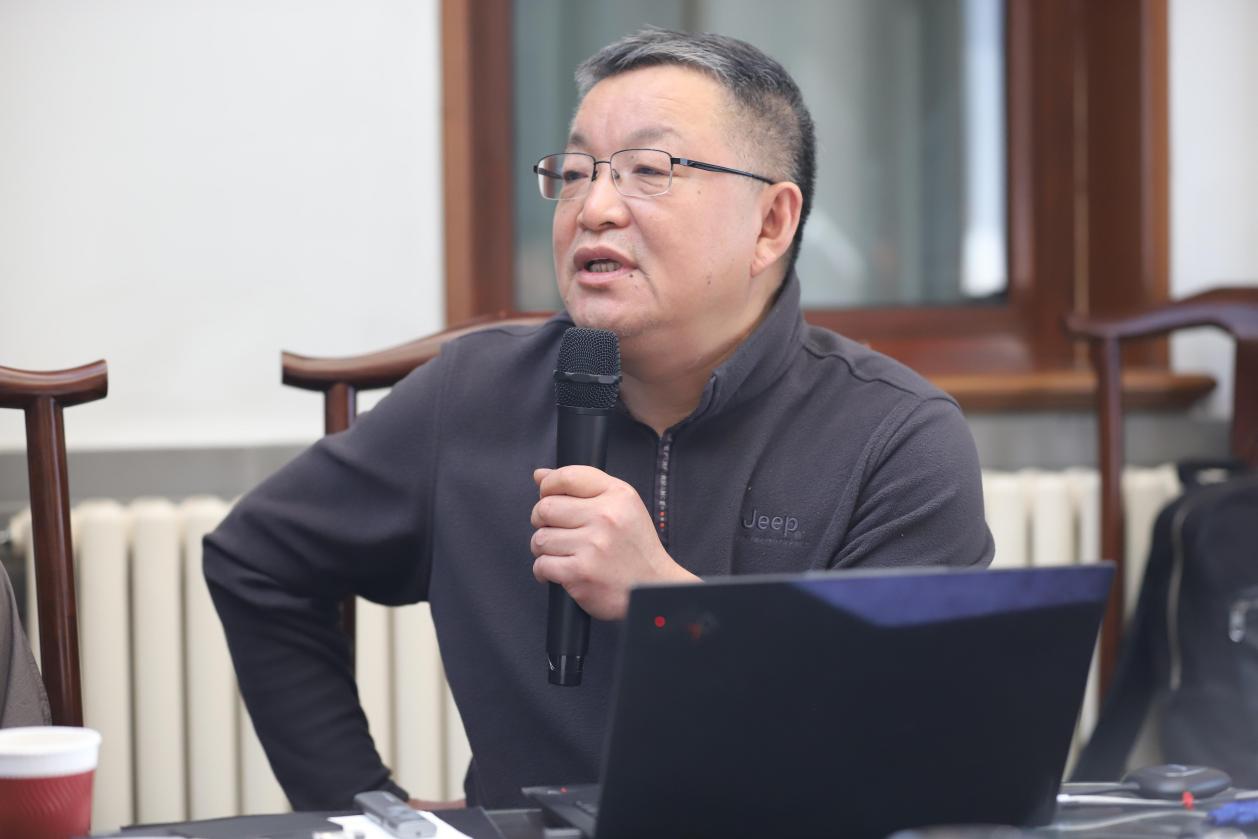
Liu Chengji
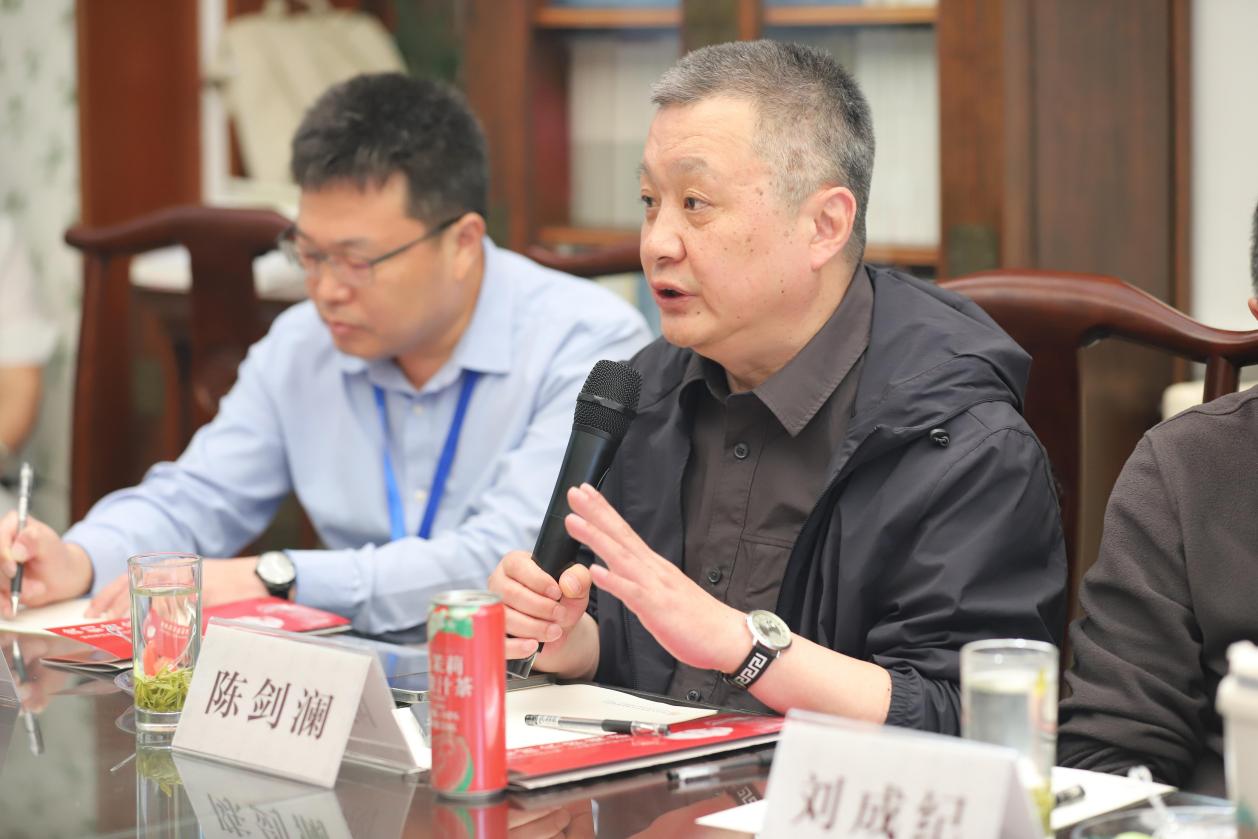
Chen Jianlan
Xiao Ying
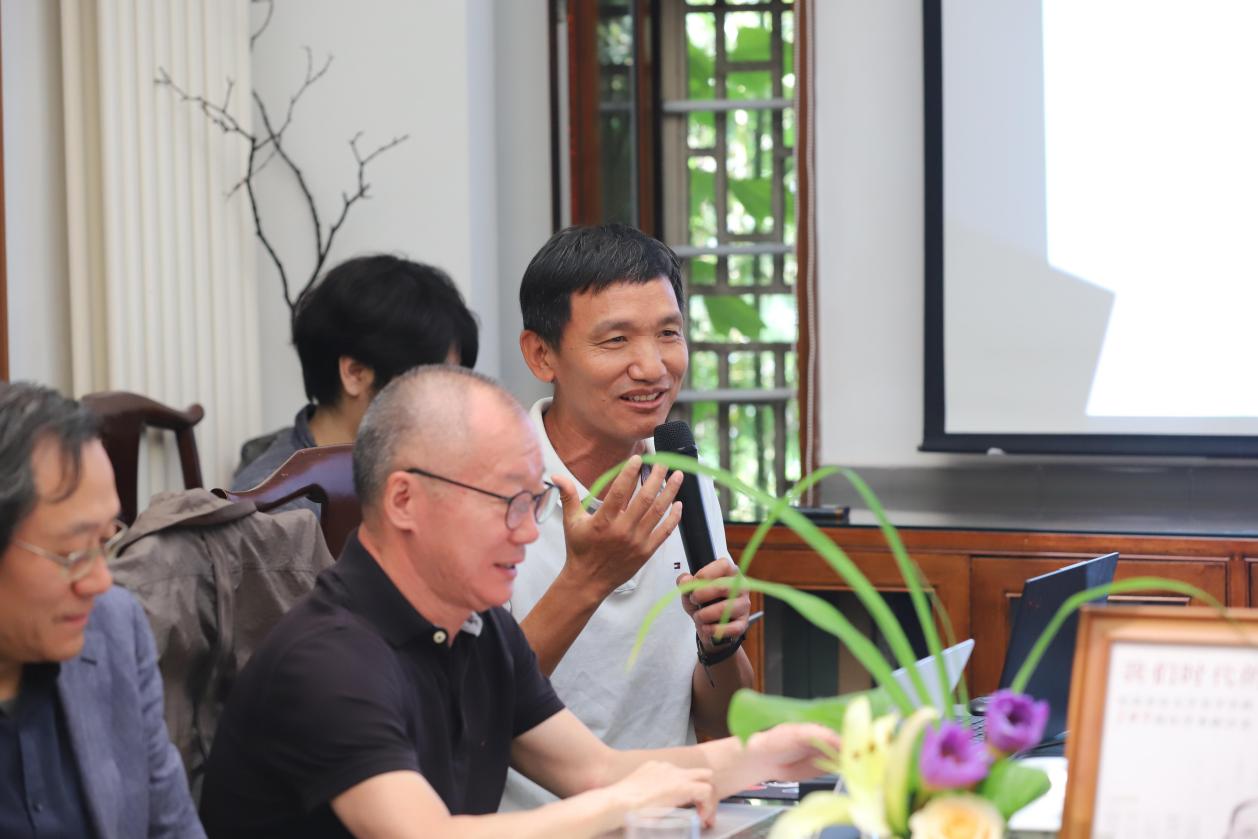
Wu Zengding
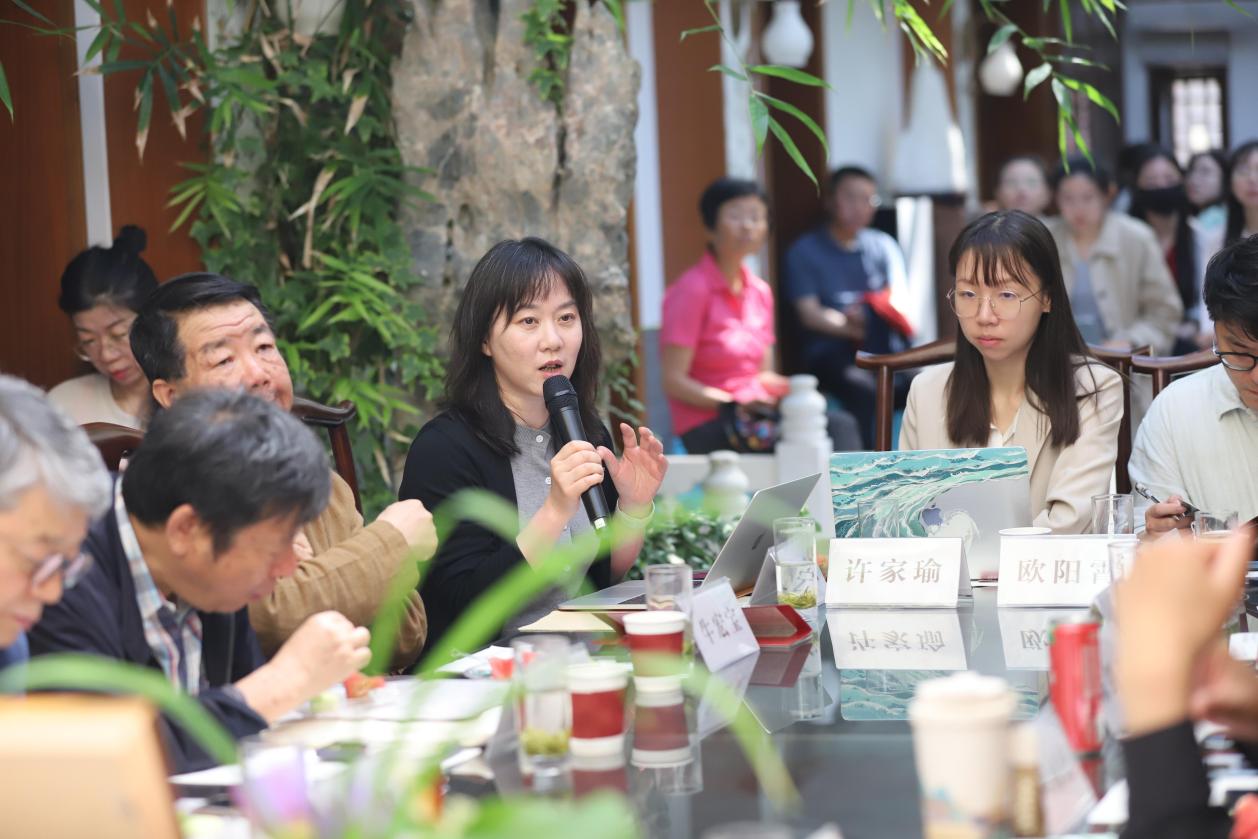
Ning Xiaomeng
The scholars engaged in a dynamic academic dialogue on topics including aesthetic research in the age of AI, the reading of classics and academic writing in the age of AI, fundamental propositions of aesthetic theory, comparisons between Chinese and Western aesthetic thought, and Heidegger’s critique of modern subjectivist aesthetics.
Following the roundtable discussion, the symposium held its closing ceremony. Zhu Liangzhi, Professor in the Department of Philosophy at Peking University, delivered the closing remarks. He summarized the symposium and expressed gratitude to all participating scholars. He noted that the symposium had retraced the historical development of aesthetics at Peking University and the university’s tradition of aesthetic education, focused on research in aesthetics and aesthetic education under the conditions of the new era, and pointed to new directions for the future development of aesthetics.
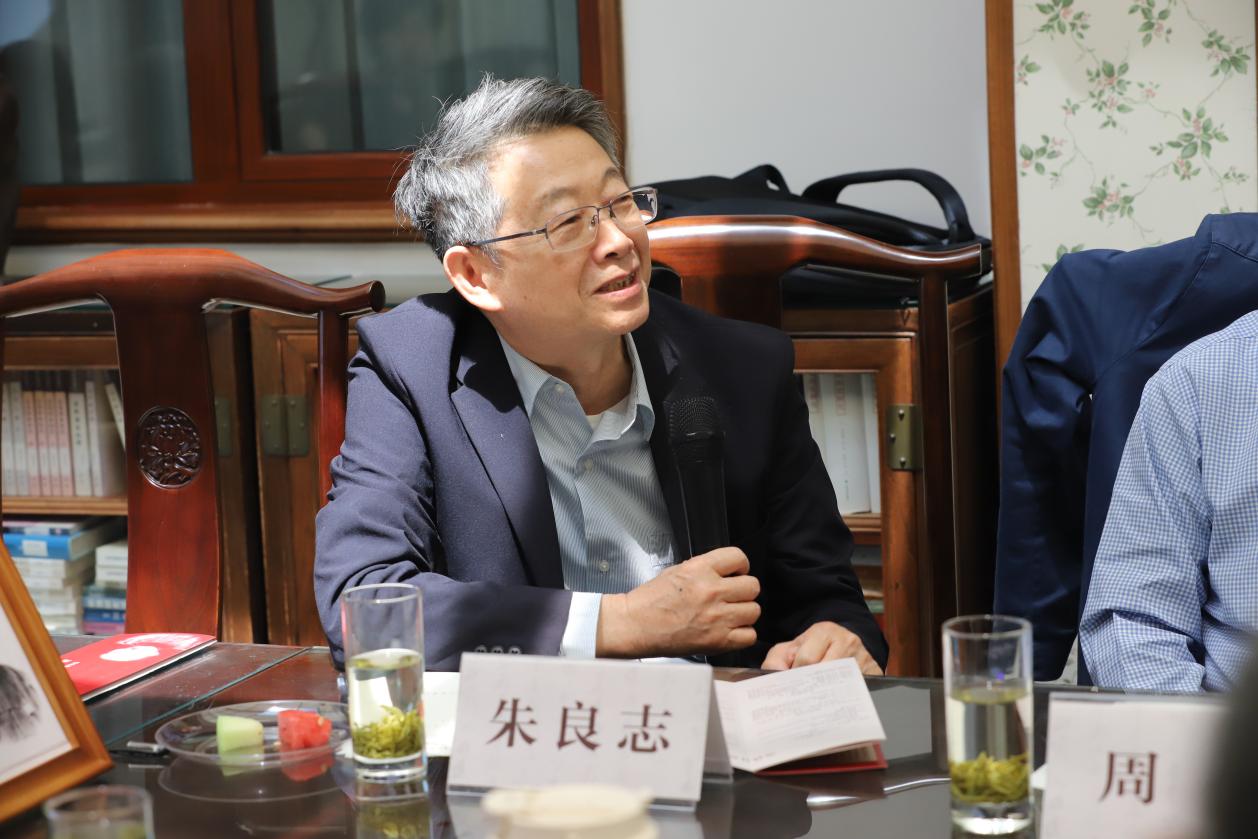
Zhu Liangzhi Delivering a Speech
The symposium stood as an important testament to the interaction between Peking University’s century-long inheritance in aesthetics and the intellectual questions of our time. Participating scholars engaged in in-depth dialogue on the historical roots, contemporary mission, and future trajectory of Chinese aesthetics, demonstrating the strong problem consciousness and academic vitality of aesthetic research in the new era.
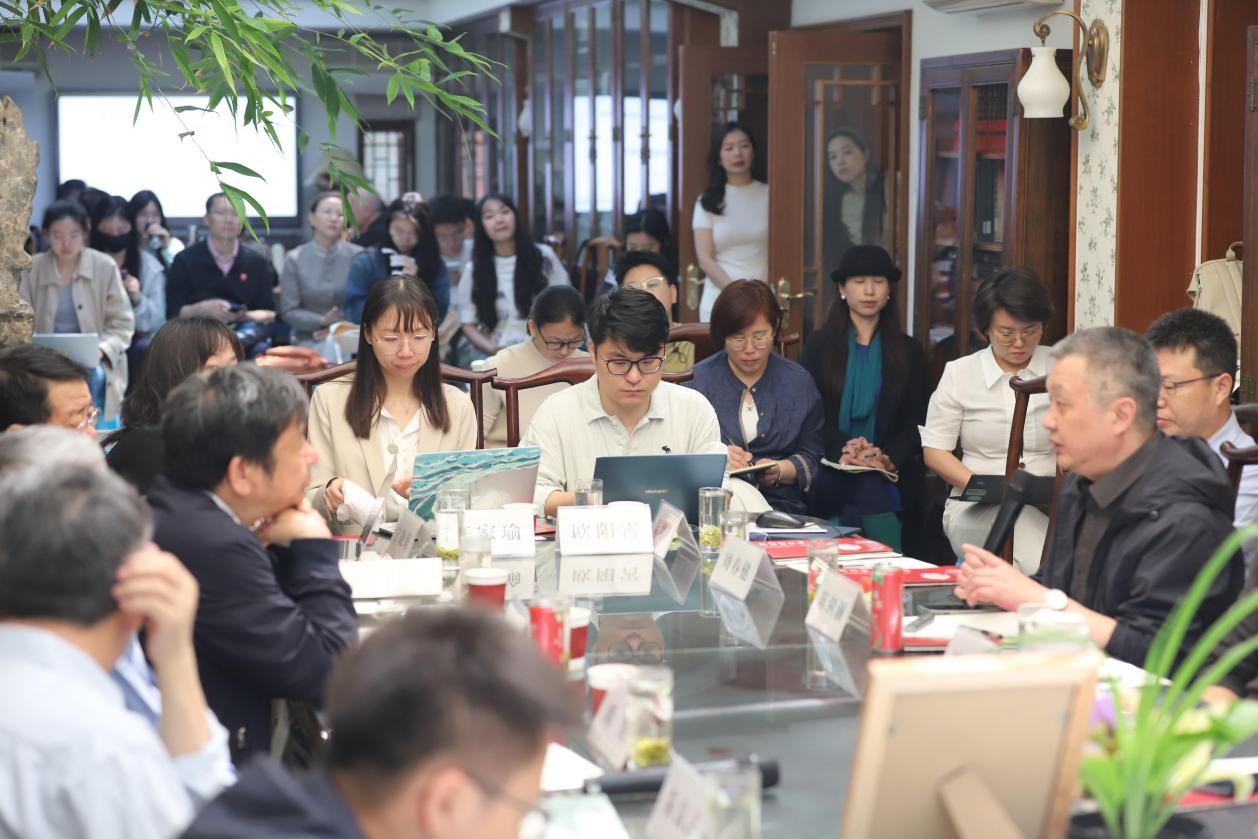
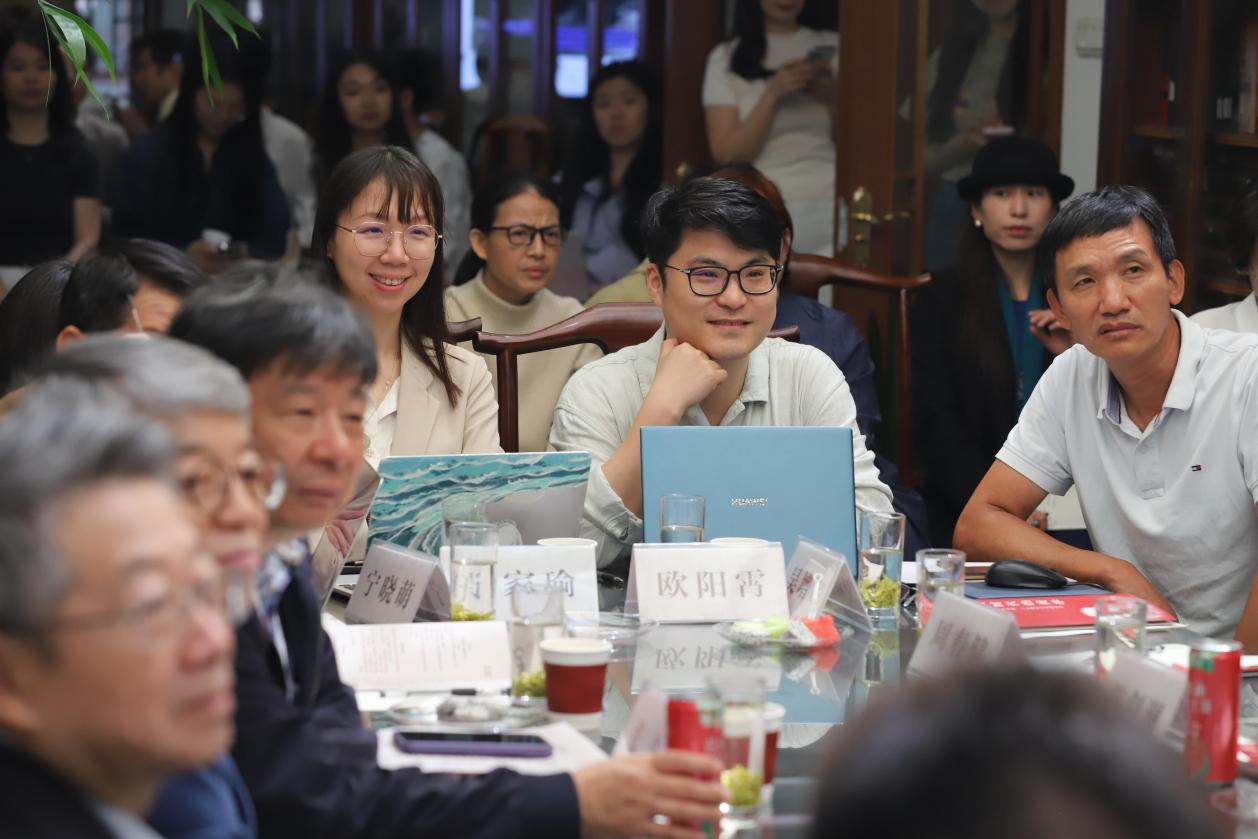
Conference in Session
Taking this symposium as a new starting point, the Center for Aesthetics and Aesthetic Education at Peking University will continue to deepen theoretical and practical research in aesthetics, explore pathways for constructing a Chinese discourse system for aesthetics, and promote the high-quality development of aesthetics as a discipline in the new era.