


Symposium on the Publication of Professor Zhao Dunhua’s Work Series Held at Peking University
On April 11, 2026, the symposium celebrating the publication of Professor Zhao Dunhua’s Work Series, together with the academic seminar “Common Origins and Divergent Developments of Chinese and Western Philosophies and Mutual Learning among Civilizations,” was held at the Zhongguanxinyuan Science Hall of Peking University. More than 50 scholars from universities, research institutes, and the publishing industry gathered to discuss Professor Zhao Dunhua’s academic thought, focusing on dialogue among Chinese, Western, and Marxist philosophies, mutual learning among civilizations, and the development of philosophy as a discipline.
Recently published by Beijing Normal University Press, Professor Zhao Dunhua’s Work Series consists of four volumes: Common Origins and Divergent Developments of Ancient Chinese and Western Philosophies; The Beginnings of Divergence and Convergence in Medieval Chinese and Western Philosophies; The Integration of Western Philosophy and Marxist Philosophy; and The Contextualization of Twentieth-Century Western Philosophy. This series represents the systematic culmination of a lifetime of scholarship by Zhao Dunhua—an eminent contemporary philosopher, historian of philosophy, scholar of religious studies, educator of philosophy, and Boya Chair Professor at Peking University. It provides a solid theoretical framework for integrating Chinese, Western, and Marxist philosophies, promoting mutual learning among civilizations, and developing a Chinese philosophy with global significance.
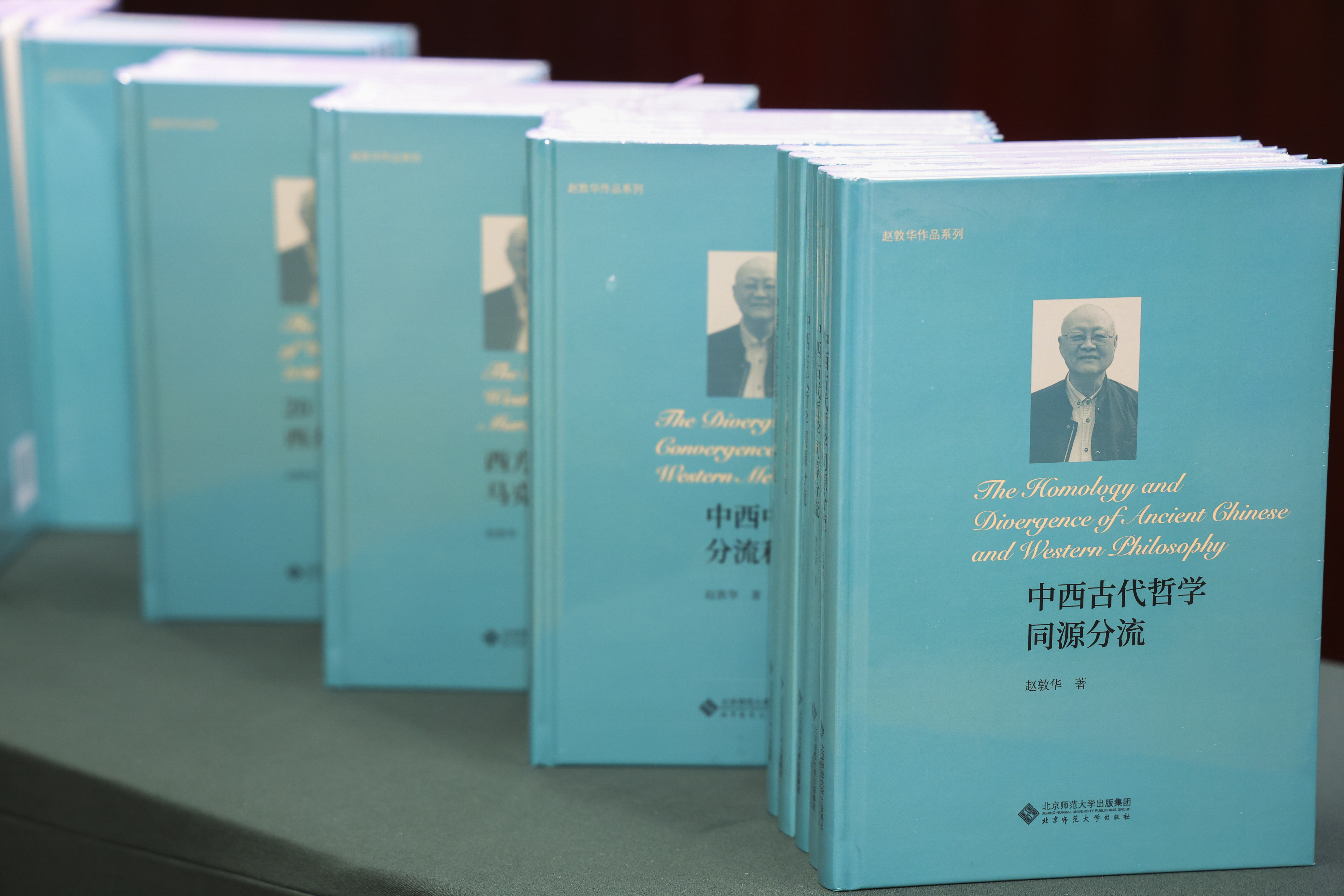 Professor Zhao Dunhua’s Work Series
The symposium was organized into five panels: “Chinese and Western Philosophies and Mutual Learning among Civilizations,” “Plural Philosophical Traditions,” “Philosophy in the World,” “Philosophy and Twentieth-Century China,” and “The Sinicization, Modernization, and Contextualization of Philosophy.” These sessions systematically reviewed Zhao Dunhua’s decades of scholarship.
At the symposium, Wang Bo, Vice Chair of the Peking University Council and Boya Chair Professor, highly praised Zhao Dunhua’s landmark achievements in “bridging Chinese, Western, and Marxist traditions.” He noted that Zhao’s lifetime research promotes mutual reflection and dialogue among Western philosophy, Marxist philosophy, and Chinese philosophy. Grounded in human nature, his research aims to develop world philosophy through exchanges between China and other civilizations.
Chu Xiaobo, director of the Division of Humanities and Social Sciences at Peking University, and Cheng Lesong, dean of the Department of Philosophy, also spoke on behalf of the university and the department. They commended Zhao for overcoming a merely imitative stance of Chinese theories, transcending over-specialization and fragmentation in academia, and setting an example for the development of contemporary Chinese philosophy.
Rao Tao, Editor-in-Chief of Beijing Normal University Press, stated that the series represents more than fifty years of Zhao’s academic achievements and serves as an “intellectual bridge spanning East and West,” pointing the way toward deep integration and creative transformation of Chinese and Western philosophies.
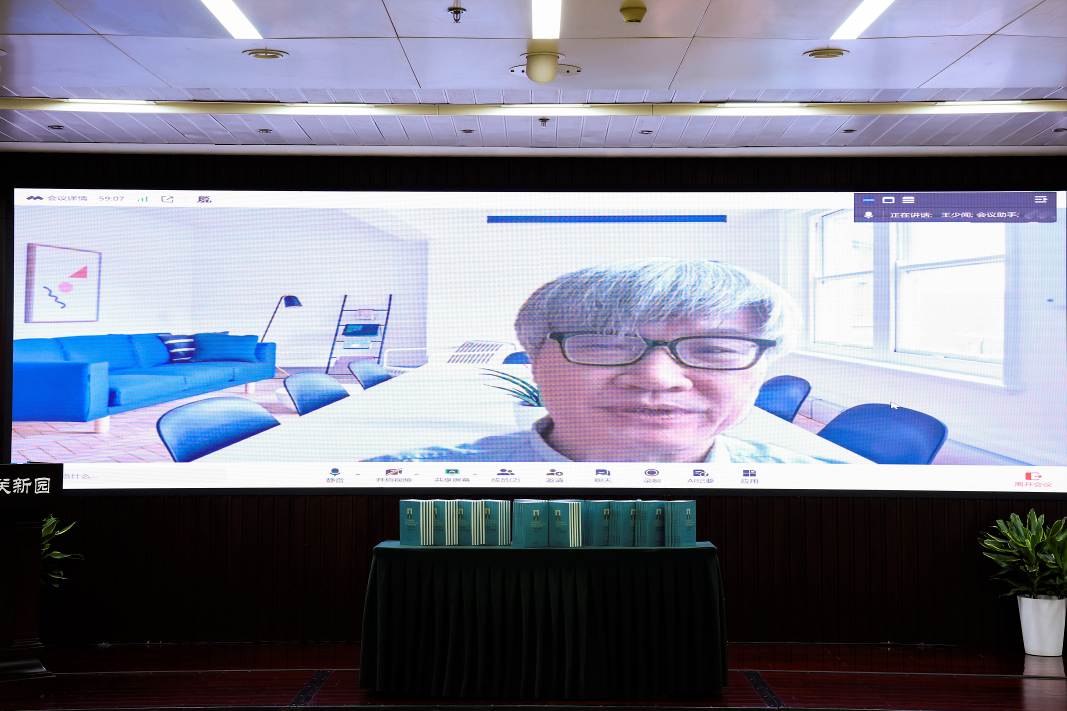 Professor Wang Bo Comments on Professor Zhao Dunhua’s Achievements
 At the Symposium
Participating scholars engaged in in-depth discussion and lively debate on Zhao Dunhua’s thought. Many recalled his long-standing dedication to scholarship, his broad research interests ranging from political philosophy and analytic philosophy to Christian philosophy, and his ability to transcend narrow disciplinary boundaries. They emphasized that his vision of “great philosophy” promoted profound dialogue among Chinese, Western, and Marxist philosophies, while his thesis of “common origins and divergent developments” illuminated both shared features and differences among Axial Age civilizations.
Other speakers highlighted Zhao’s successful combination of research of the history of philosophy and intellectual creativity, specialized expertise and broad intellectual vision. During his tenure as the dean of the PKU Department of Philosophy, he actively promoted the establishment of the Philosophy, Politics, and Economics (PPE) program and advocated interdisciplinary integration between philosophy and other fields, making pioneering contributions to philosophical education and discipline-building in China.
Scholars also discussed the Sinicization, modernization, and contextualization of philosophy, endorsing Zhao’s theory of the unity of these “three transformations.” They stressed the importance of building a broad philosophical vision rooted in Chinese realities while engaging the wider world.
In his keynote remarks, Zhao Dunhua expressed heartfelt thanks to the participants. He stated that “the common origins and divergent developments of Chinese and Western philosophies, and mutual learning among civilizations” has long been a central concern of his research. Many important questions, he said, still require answers, including the deeper reasons for the common origins of civilizations, the ways civilizational exchange has been obscured by Western-centrism, the proper paths toward integrating Chinese, Western, and Marxist philosophies, and the practical possibilities of mutual learning among civilizations.
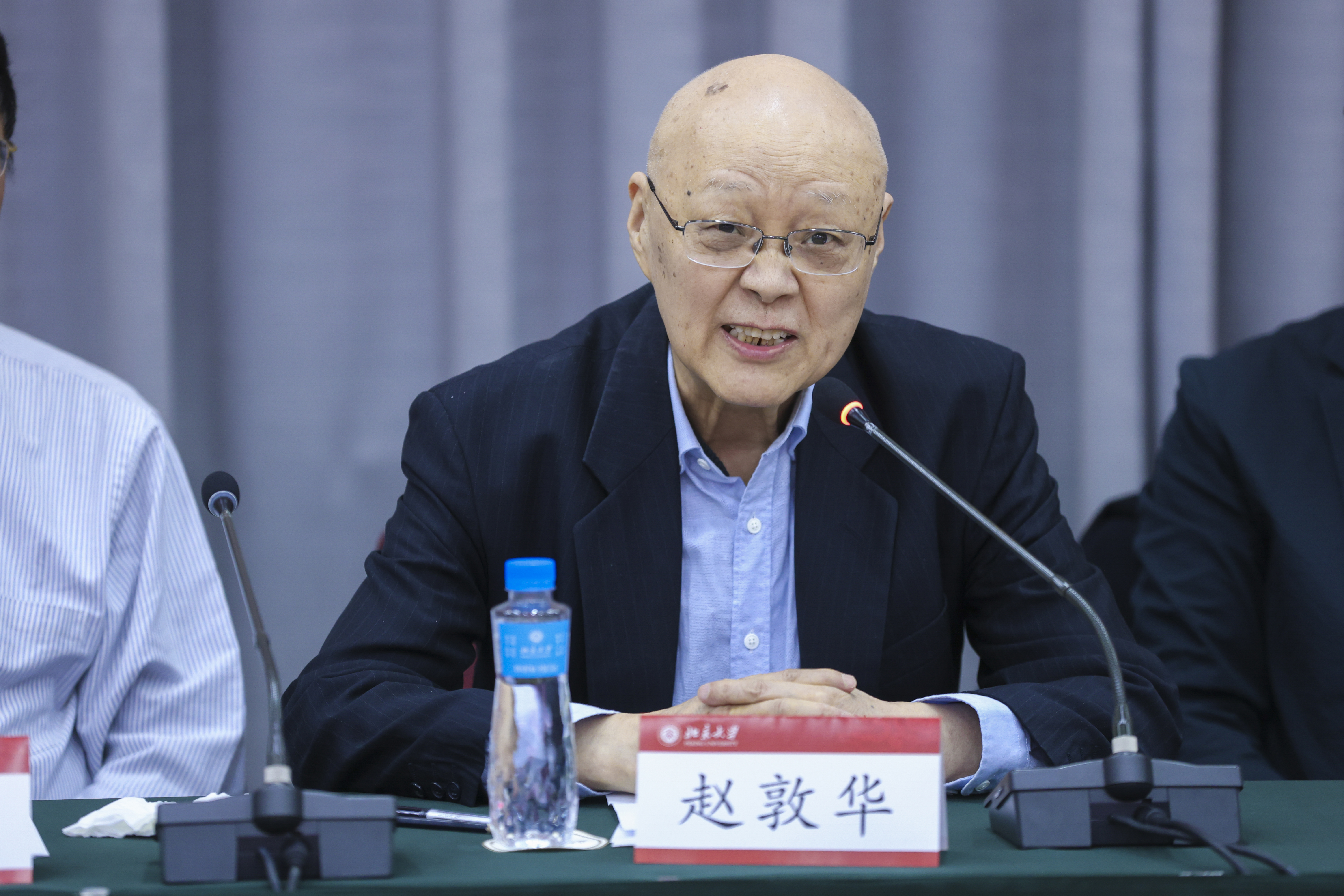 Professor Zhao Dunhua Gives Keynote Speech
Zhao maintained that philosophy should rationally review history, interpret reality, and envision the future. He said he would continue advancing his research and looked forward to further discussions with the academic community.
Participants agreed that the symposium not only honored Zhao Dunhua’s decades of scholarship, but also injected new academic momentum into the development of contemporary Chinese philosophy. They called for continued dialogue among Chinese, Western, and Marxist philosophies, the use of philosophical wisdom to respond to the challenges of the age, and contributions to an autonomous Chinese knowledge system and to the advance of human civilization.
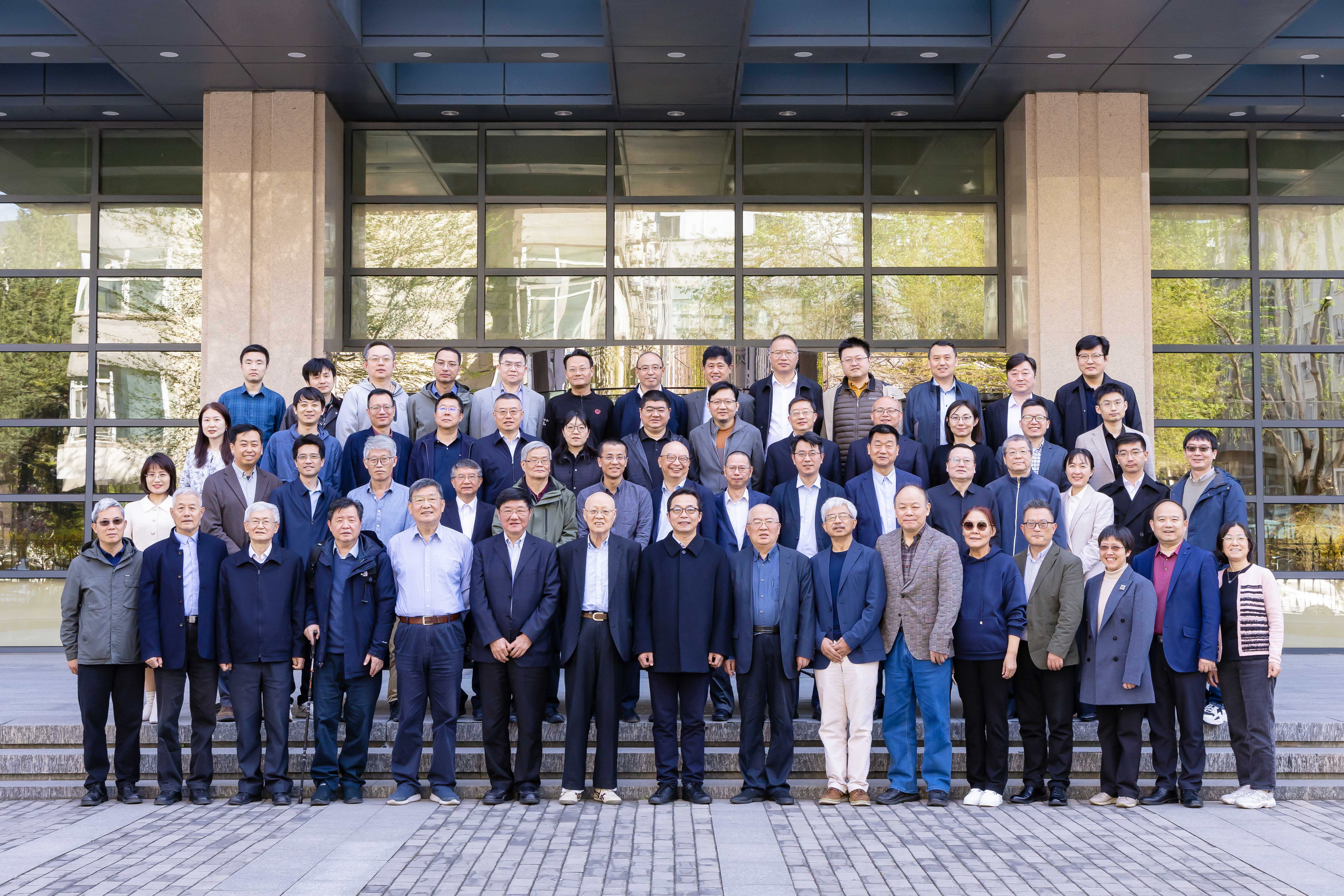
Group Photo of All Participants